Get Full Government Meeting Transcripts, Videos, & Alerts Forever!
Get email alerts on the Municipal Budget topic
No spam. Unsubscribe anytime.
Mill Valley Council adopts midterm FY2025–26 budget revision; Measure L and grants drive most changes
Summary
Council adopted the midterm revision to the FY2025–26 budget after staff outlined revenue increases driven by Measure L and new grants (EV charging, Ethel Avenue stabilization, Safe Pathways). The revision increases reserves, allocates capital for infrastructure projects and asks staff to continue program-level monitoring.
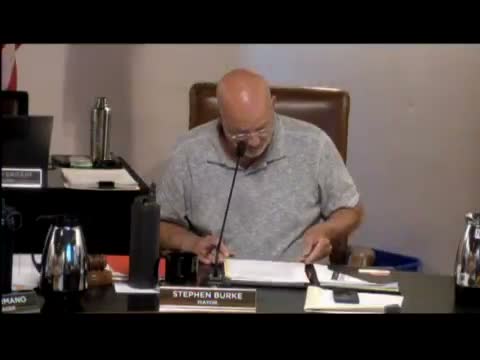
The Mill Valley City Council unanimously adopted midterm revisions to the FY2025–26 budget on June 16 after a staff presentation and extended council discussion about priorities, reserves and program funding.
Deputy Director of Finance Trevor Atashkarian summarized the changes: consolidated revenues increased by approximately $8.4 million and consolidated expenditures by about $6.5 million across city funds. Notable revenue items included Measure L receipts (local sales tax approved by voters), a federal EV charging grant (approximately $1.35 million), Ethel Avenue stabilization funding (~$1.2 million), and a Safe Pathways grant ($350,000). Staff also projected higher investment income than previously expected and modest increases in licensing and permit revenues tied to strong local building activity.
On expenditures and reserves, staff proposed raising the contingency reserve to 18% (from a smaller policy baseline) and transferring additional amounts to OPEB reserves; combined reserves were projected in the discussion to be about $15.8 million (roughly 40–45% by some measures in the staff discussion). Capital projects across funds totaled about $15.8 million for the year in the staff presentation; Measure L was allocated several city infrastructure priorities including flood mitigation, hillside stabilization, and streets/sidewalks.
Council discussion covered a long list of items: ADA coordination, EV charging administration, climate‑resilience project categorization, fleet electrification planning, recreation/aquatics fee increases proposed by the Parks & Recreation Commission to improve cost recovery, police overtime drivers, and long‑term pension and OPEB timing. Staff and the city manager emphasized fiscal prudence, existing reserves and the goal of funding long‑term infrastructure while maintaining service levels.
After deliberation council moved and approved the budget revisions by voice vote; the mayor announced unanimous approval. Staff will continue programmatic follow‑up, refine CIP timing and report back as the Measure L oversight and project schedules evolve.