Wooster council gives first reading to sweeping residential zoning overhaul
Loading...
Summary
The Wooster City Council gave a first reading to Ordinance 2026-01, a comprehensive update to the city’s residential zoning code and map that would create two new ‘transition’ districts and revise single-family standards; detailed parcel impacts and exact lot counts were not provided and will be discussed at an upcoming committee meeting.
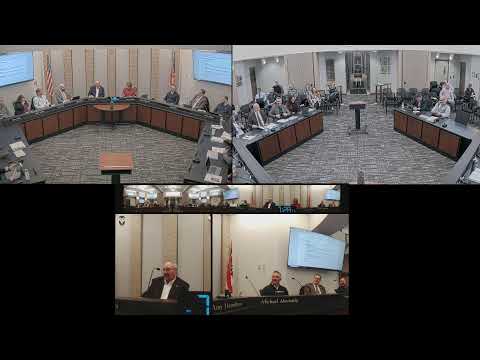
Wooster’s City Council on Jan. 5 heard the first reading of Ordinance 2026-01, a package of amendments to Part 11 of the city’s planning and zoning code and changes to the official zoning map intended to increase housing supply and flexibility.
Mayor (addressing the council) described the package as potentially “the most important piece of legislation that you’re gonna see this year as far as the long term impact.” Vince Marion, who led the steering committee that drafted the proposal, told council members the planning commission approved the draft and that the amendments would introduce two new “transition” districts to allow more multifamily, duplex and triplex housing forms in targeted areas.
Marion said the plan would also largely merge current R2 (smaller single-family lot) standards into R1 across much of the city so that R1 would adopt the smaller-lot rules in many neighborhoods. He described the change as intended to permit greater variety of housing types but did not provide a specific estimate of how many additional lots or housing units the revisions would create. When asked for a numeric projection, staff said a parcel-by-parcel comparison could be prepared for a future meeting.
The ordinance remains on first reading and will be considered in more detail at the Laws & Ordinances committee meeting scheduled for Jan. 20; the mayor and staff encouraged residents and council members to attend that work session for a fuller review.
If adopted after required hearings, the city’s zoning map and single-family district standards would be altered under the ordinance’s framework; council members and staff said implementation and parcel-level effects will require follow-up analysis and public hearings before final enactment.