Get Full Government Meeting Transcripts, Videos, & Alerts Forever!
Get email alerts on the Public Participation Policy topic
No spam. Unsubscribe anytime.
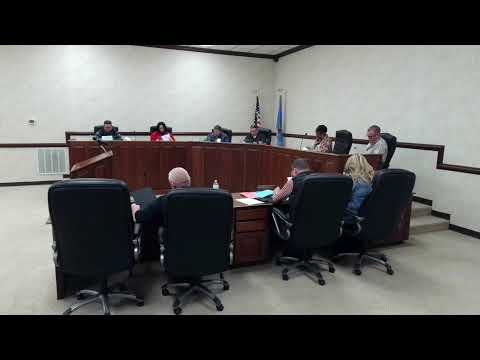
Atoka council debates ending live public comment, directs staff to draft new participation policy
Summary
A council member proposed removing the live public-comment period and requiring residents to submit agenda-request forms, citing Open Meetings Act guidance; other members warned the change could limit timely public access. The council asked staff to draft a written policy and return with it for consideration.
Speaker 3, speaking during the council’s business agenda, proposed removing the live public-comment portion of meetings and replacing it with a process that requires residents to submit agenda-request forms to have matters placed on a future agenda. “This is coming back on for discussion from, a previous meeting a month or so ago,” Speaker 3 said, citing the recommendation of municipal attorneys and the Open Meetings Act as rationale for the change.
Supporters framed the proposal as a way to reduce disruptive, off-topic remarks and legal exposure under open-meetings rules. Speaker 3 said the change would not bar participation but would require a short delay so items can be posted on the agenda and then fully discussed with council time reserved for deliberation.
Several council members pushed back. Speaker 7 said limiting live comment would restrict residents’ ability to raise timely matters: “I think that not having it limits the people to being able to come,” adding that many residents show up to speak about events that occurred the same day. Speaker 5 and Speaker 6 also warned that people would be frustrated if they could not address the council that night and that the change would shift the burden onto residents to secure a council member’s signature on forms.
Speaker 1 said the agenda-request process would allow fuller discussion of issues: “I think with having it as an agenda item, if they have an issue, you’re truly gonna have an opportunity to get to a conclusion on the matter,” and encouraged education and public notice if the policy changes.
No formal action was taken to eliminate the public-comment period at the meeting. Speaker 3 said staff would draft a written policy incorporating relevant state statute and disruption rules and return the draft to the council for further consideration.
What happens next: The council directed staff to prepare a written citizen-participation policy that would spell out the agenda-request process, how disruptions are handled and how statutory limits on off-agenda deliberation apply. The council did not adopt a final policy at this meeting.