
Evanston council tables River Oaks consulting contracts and telecom franchise talks over MFN, cost questions
Get AI-powered insights, summaries, and transcripts
Subscribe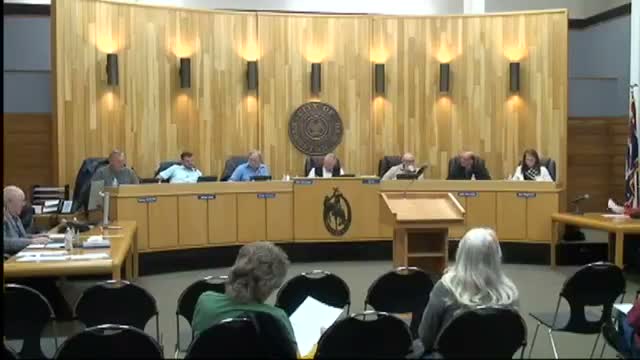
Summary
The council voted to table agreements to hire River Oaks Communications to advise on All West and Visionary telecom franchise terms after members raised concerns about a most-favored-nation clause, consultant costs and the effect of franchise fees on residents. The items will return to the council on Jan. 20 after a work session.
At its meeting, the Evanston City Council voted to table two letter agreements that would have hired River Oaks Communications to consult on franchise renewals with All West Communications and a proposed franchise for Visionary Communications.
City Attorney Mark Harris explained the practical stakes of the discussions: telecom franchises give companies the right to use city streets and dedicated rights of way to install fiber and other facilities, and are governed by federal law and a 2020 state statute. He said current franchise agreements in the city are based on a 1% franchise fee on gross revenue and warned that changes to that rate would likely be passed on to customers: "That fee gets passed on," Harris said.
Council discussion focused on two issues: whether the city should pay an outside consultant for contract negotiation and whether Visionary’s proposed most-favored-nation (MFN) clause would limit the city’s future bargaining power. Councilor Hegeman criticized the MFN clause sharply, saying it "permanently reduces our negotiating power" and called it a "handcuff" that could bind future councils and block the city from responding to future market changes.
Other councilors questioned the need for a consultant for what some said they could research themselves, while supporters argued River Oaks’ past experience negotiating similar agreements would help the city navigate federal and state telecom rules and preserve negotiating leverage. Harris recommended the contracts to obtain expert analysis on the complex legal framework.
River Oaks’ proposed letters include not-to-exceed fees of $9,300 for services related to All West and $5,800 for Visionary, with a billed rate of $285 per hour. Harris said the work would come from the city attorney’s legal budget (account 104325701), which was budgeted at $15,000; he noted limited remaining capacity in that line and an additional legal account ($5,000, account 585801) that could be used if necessary.
Councilor concerns about passing increased franchise fees to residents and about the MFN clause led to a motion to table both agreements pending further discussion. The council voted to table the matter and asked staff to review the items in a work session and return the issues at the next regular meeting on Jan. 20.
The council did not adopt any franchise ordinances at the meeting; Harris reminded the body that franchise ordinances require three readings. The discussion underscored competing goals identified by councilors: maximizing potential franchise revenue for the city while minimizing cost impacts on residents and preserving the council’s future negotiating flexibility.