Get Full Government Meeting Transcripts, Videos, & Alerts Forever!
Get email alerts on the Governance topic
No spam. Unsubscribe anytime.
Germantown board narrows virtual appearances, votes to attach emailed comments to meeting minutes
Summary
After public comment and trustee debate, the Germantown Village Board voted to stop routinely reading emailed public comments aloud and instead attach them to meeting minutes, and approved a limit on trustees' virtual appearances in the draft municipal code changes.
The Germantown Village Board voted on a package of amendments to its municipal code that change how trustees may appear virtually and how written public comments are handled in the meeting record.
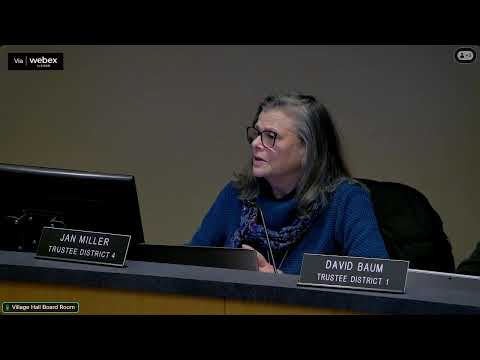
After public comment urging continued in‑meeting reading of emailed submissions, trustees divided the ordinance into components to vote separately on email‑comment handling. Trustee Paper moved to have emailed comments attached to the meeting minutes rather than read aloud; the motion passed 5–4 after trustees debated transparency versus meeting efficiency.
Administrator Preclo read two emailed comment letters into the record earlier in the meeting. One, from Sarah Larson, recommended retaining reading of emailed comments or, if the practice stops, requiring trustees to confirm they had read emailed comments before voting; another, from Tamara Schneider, urged streamlining meetings while preserving meaningful public participation on budget or governance matters.
Supporters of attaching emails to minutes said publishing the full emails as part of the minutes makes them searchable and available to all residents without extending meeting length. Opponents said reading emails aloud is an act of public acknowledgment and helps residents who cannot attend; several trustees explicitly cited transparency and the value of hearing constituent voices.
Board members also debated a proposed limit on virtual trustee appearances. Under the language the board approved, trustees would be allowed to appear virtually for up to two village board meetings and two standing committee meetings (the attorney said comparable language for other boards and commissions will be brought forward). Trustees split over whether those limits are workable for caregivers and members who travel for employment; supporters said the rules preserve an expectation to be physically present while allowing limited flexibility.
The ordinance package also clarifies consent‑agenda procedure to align with the village’s meeting‑management software and includes other editorial cleanups. The board approved the consent‑agenda language and the divided votes on email handling and virtual attendance during the same meeting.