Resident raises alarm about unmarked vehicles, human trafficking and trust in enforcement
Loading...
Summary
A resident described an incident in which an unmarked truck and a man in tactical gear entered a neighbor’s yard without a visible badge or warrant, linking ambiguous enforcement activity to broader concerns about trafficking and cuts to prevention services; the sheriff’s office offered to follow up and said some similar activity can be related to bail enforcement.
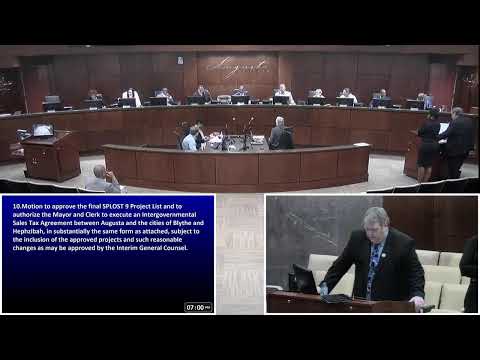
Deborah Eastep described seeing an unmarked black Ford and a man in police‑style tactical gear walk to a neighbor’s door and enter the backyard; she said there was no visible jurisdiction marker, no badge number and no warrant. "Ambiguity plus weapons creates fear," she said, adding that fear undermines trust in public safety.
Eastep linked the incident to broader policy decisions: she told the commission that Augusta is "the number 1 human trafficking corridor in the state" and argued that cuts to youth, health and arts programs deepen vulnerability. "You cannot claim concern about human trafficking while deepening fear, instability and displacement," she said.
The mayor invited Major Robbie Salas of the Richmond County Sheriff's Office forward. Major Salas said bondsmen and other private actors operate in the county and that if sheriff's deputies are involved their uniform would say "Sheriff." He offered to meet with Eastep and review any tag numbers or records she had.
Commissioners and the mayor directed a follow‑up: Salas was invited to meet with Eastep and the commission suggested the sheriff's office and staff can sit with residents to clarify identification protocols and, where possible, link license plate information to investigations. The exchange did not establish a formal policy change but produced a promise for an informational follow‑up.
The commission did not make immediate determinations about cooperation with federal immigration enforcement; Eastep asked whether the city had opted out of discretionary federal immigration cooperation, and the mayor said staff would note the question and follow up outside public comment.
The transcript records direct citizen claims and sheriff's office responses; several commissioners urged improved transparency and community meetings to rebuild trust.