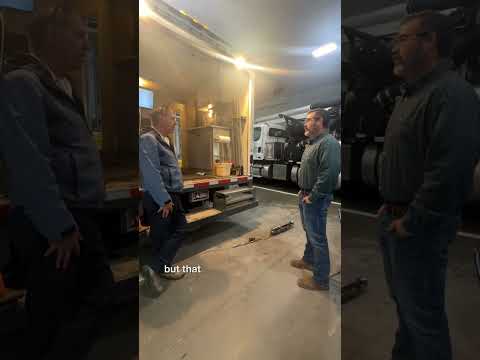
Sewer inspection camera showcased; staff says footage will guide pipe replacements
Loading...
Summary
Unidentified staff demonstrated a sewer inspection camera and said stored footage and data will be used to prioritize replacements across the city’s sewer system, noting roughly 65% of pipes are PVC while older materials remain.
Unidentified Speaker 1 demonstrated a mobile sewer inspection camera and said the device lets crews ‘‘drive down in the sewer lines and inspect everything,’’ including laterals, cracks and root intrusions. The footage, the speaker said, is stored and used to plan repairs as funding becomes available.
The demonstration took place during a brief presentation to city personnel. Unidentified Speaker 1 described the range of pipe sizes the system feeds to the plant: ‘‘We have pipe sizes from 6 inch all the way up to 20 or to 32 inch coming into the plant.’’ The speaker said the camera’’s maneuverability allows crews to ‘‘turn ahead back and forth and look up laterals’’ to identify defects.
The speaker said the city has ‘‘about 65% of our system is PVC,’’ adding that the remaining network includes vitrified clay, concrete and cast iron that require more maintenance. On cast iron, the speaker noted earlier 8-inch lines have become narrower over time: ‘‘That's now 6 inch smaller. So it's growing closed and it's pretty hard to clean that stuff out,’’ they said.
Unidentified Speaker 2 asked whether there were wood pipes in the system; Unidentified Speaker 1 replied, ‘‘We don't have any wood pipes that I've seen.’’ The exchange included brief positive comments about the equipment’s value. When Unidentified Speaker 2 asked, ‘‘Is his name Bob?,’’ Unidentified Speaker 1 confirmed and added the camera/operator has also been nicknamed ‘‘Sui’’ and formerly ‘‘Wally.’’
No formal motions or votes were recorded in the transcript. According to Unidentified Speaker 1, the city stores inspection data and will use that information to prioritize replacements as money becomes available.