
Cabarrus officials seek authorization to extend opioid‑settlement funding for treatment and faith‑based recovery services
Get AI-powered insights, summaries, and transcripts
Subscribe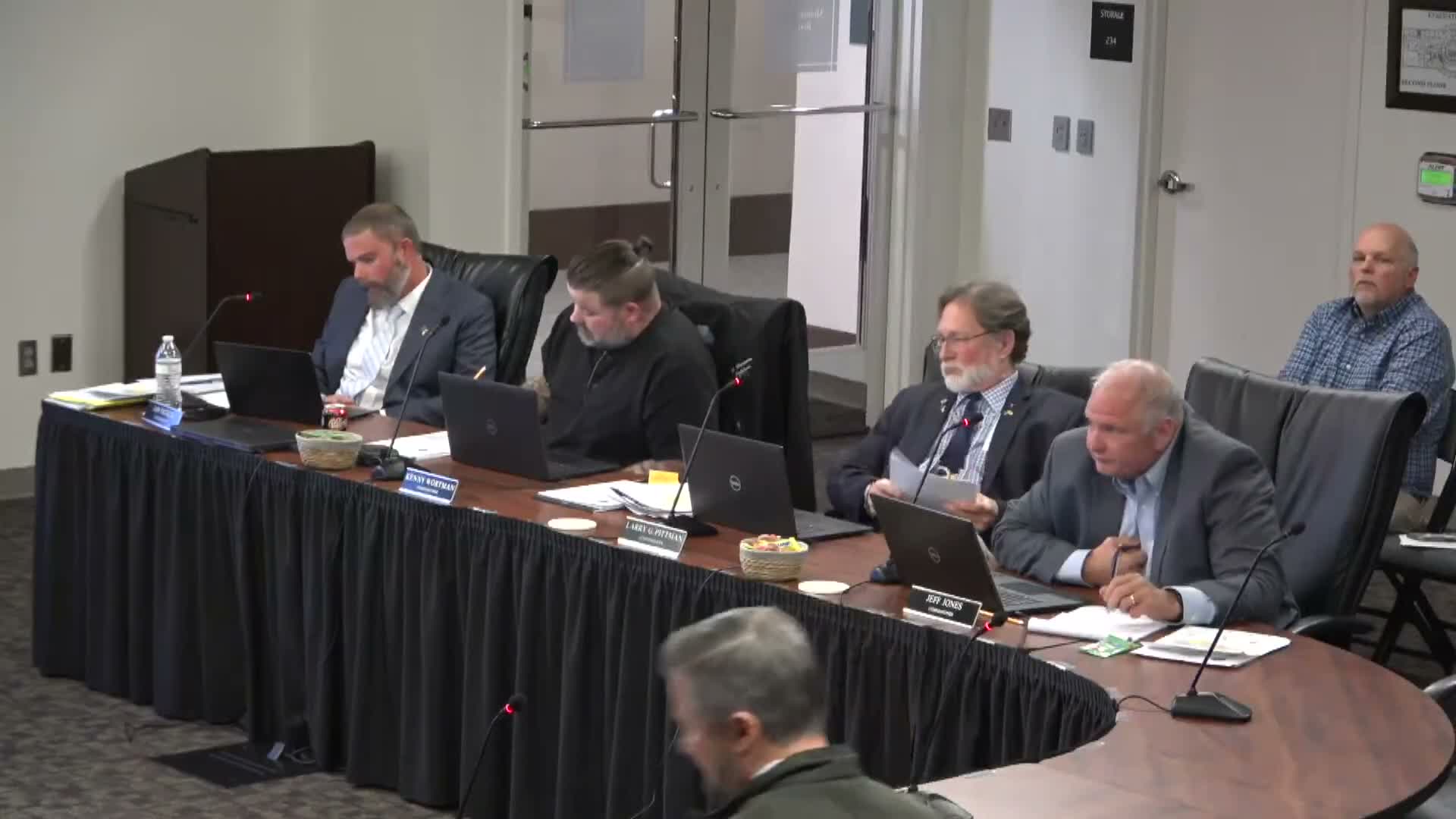
Summary
County staff told commissioners Cabarrus is slated to receive roughly $22–25 million from national opioid settlements and requested authorization to extend funding for recovery support providers and county training into FY27. Commissioners asked for clearer provider language and moved the item to Jan. 20 action for legal review.
Alyisse Pugh and Virginia Fagg updated the Cabarrus County Board of Commissioners on Jan. 5 about funds from the national opioid settlements and requested a new spending authorization to continue and extend existing recovery supports into FY27.
Pugh said North Carolina’s settlement led to an allocation of about $1.5 billion to the state, with a portion distributed to local governments. "Here in Cabarrus County, we are slated to receive the latest number that's on the website is that $22,000,000," she said, and noted that recent sign‑ons will likely increase the county’s total to about $24–25 million between 2022 and 2038. She added that roughly $6.8 million has already been received and that funds are front‑loaded.
Virginia Fagg, the county’s opioid settlements program manager, reviewed current strategy allocations: a collaborative strategic planning process completed in June 2024 enabled the county to tap option B strategies (a longer list of allowable activities); current subrecipients include Cabarrus Health Alliance, Southeastern Recovery Center, Adult & Teen Challenge and Bridge to Recovery for recovery supports, plus programs for early intervention in schools, inmate treatment continuity, reentry work and marketing/awareness.
Staff requested authorization to extend funding for several primarily faith‑based recovery support providers and for additional training (including county staff and partner agencies), and to conduct a new collaborative strategic planning cycle later in 2026 so the county may continue option B activities. Pugh emphasized that settlement funds must supplement, not supplant, existing programs and that decisions are subject to the memorandum of agreement and technical‑assistance review.
Several commissioners expressed concern about wording in the draft resolution that lists "TBD community organizations" as potential providers; they asked county attorneys to confirm controls and to ensure any additions are vetted and specifically authorized. County attorney Doug was asked to review the resolution language and return with edits; the board agreed to place the item on the Jan. 20 action agenda rather than approving it at the work session.
No expenditures were authorized at the work session; staff will present an edited resolution and supporting documentation after legal review.