Akron opens 2026 capital budget review with water and sewer at center
Loading...
Summary
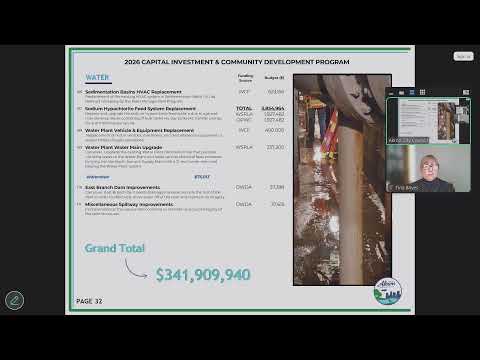
City leaders opened the 2026 capital budget review emphasizing water and sewer work driven by the consent decree, a $342 million capital plan largely funded by state loan programs, and investments in transportation, public facilities and neighborhood projects.
The City of Akron’s planning committee opened its 2026 capital budget review, with Mayor Shamus Malik and department directors pitching a $342 million plan that prioritizes water and sewer projects tied to the city’s consent decree and a slate of transportation and public-facility investments.
Mayor Shamus Malik told the committee the budget reflects long-term consent-decree work in wastewater and increasing shares for water and sewer projects. “One of the most basic responsibilities we have as a community is making sure folks have fresh, safe drinking water,” Malik said, adding that the enhanced high-rate treatment (EHRT) project remains listed in the plan even as the city pursues alternatives through state and federal review.
Comprehensive Planning Manager Helen Tomic said roughly 61% of the capital budget is expected from state sources — chiefly the Ohio Public Works Commission, the water-supply revolving loan fund and the water-pollution control fund — totaling about $190 million. Local funding sources (income tax, IT4 and the Sewer Capital Fund) make up roughly 28% of the plan. Tomic also confirmed federal ARPA dollars are not included in the 2026 capital budget; those allocations have been committed and, she said, are expected to be spent down by Dec. 31, 2026.
Transportation priorities cited by the mayor include annual resurfacing (52 miles) and separate contracts intended to avoid carryover work; public facilities funding is earmarked for targeted upgrades, including elevator and HVAC work at the Stubbs Building and staged design work for a multi-phase retrofit.
City staff repeatedly framed the plan around fiscal restraint and grant/loan opportunities that lower borrowing costs. The committee heard that some projects listed are carryovers from prior years and that council will see many of the items again as legislation and authorization requests.
The meeting concluded with staff scheduling the next budget session to cover transportation, parks and recreation, public facilities, miscellaneous items and housing and community development.