
Senate Transportation Committee flags $33 million shortfall, eyes 'purchase and use' and other revenue options
Get AI-powered insights, summaries, and transcripts
Subscribe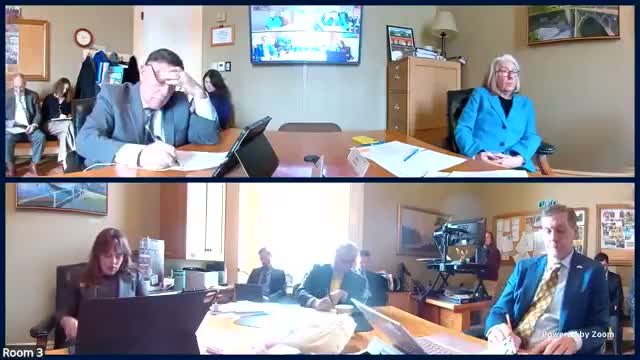
Summary
Committee members agreed revenue is the session's top issue, citing a roughly $33 million gap. Senators said they will review other states' approaches, consider delivery and jet-fuel fees, and explore a phased "purchase and use" option while balancing equity and inspection impacts.
Chair (unnamed) opened the Senate Transportation Committee on Jan. 6 by saying the panel would spend the opening weeks reviewing how other states have addressed transportation revenue shortfalls.
"We all know that we've got a bunch of heavy issues in front of us," the chair said, and added he had arranged presentations from states including Hawaii and Virginia to show revenue approaches enacted elsewhere.
Several members framed the committee's work around an immediate funding gap. "The first main priority for me is shoring up the $33,000,000 shortfall and preventing a future rescission plan," said Senator B (unnamed), who said he would spend most of his time on that issue and is considering several revenue bills already filed last session.
Members proposed multiple revenue concepts rather than a single fix. Senators discussed delivery fees included in previously filed legislation, a potential tax or fee on jet fuel described by one member as "like a gas tax, essentially on jet fuel," and a phased purchase-and-use model the chair said he would be willing to explore if the governor or budget signals an opening.
Several senators said the committee should study what other states have done before drafting a final plan. "We're going to try to work in what your priorities and what I think is the overall priority of our finances for transportation," the chair said, adding the committee will invite presentations this week and next.
Members also stressed equity concerns about revenue mechanisms and linked revenue choices to other policy areas such as inspections and transit funding. "We need to make sure that we're doing the best with the money that we have," Senator A (unnamed) said, adding some system improvements require no new funding but better governance and representative transit boards.
Next steps: the committee will hold state-by-state presentations and analyze studies on revenue options before prioritizing bills for hearings.