Parents and advocates accuse Beaufort County DSS of due-process violations; affidavits served alleging judicial conspiracy
Loading...
Summary
Multiple residents and attorneys told the Beaufort County Board of Commissioners that the county’s Department of Social Services and local judges have violated parents’ constitutional rights and said criminal-affidavit notices alleging conspiracy were served on county officials and judges.
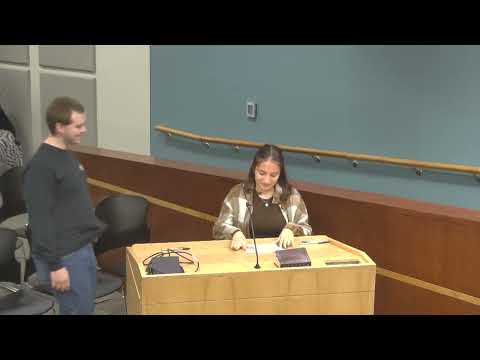
Taniwa Downing, an attorney from Washington, D.C., opened a wave of public comments at the Beaufort County Board of Commissioners meeting, telling the board she had served a legal notice arguing North Carolina’s practice of prosecuting by information rather than grand-jury indictment conflicts with the U.S. Constitution and urging review to avoid federal sanctions.
Several parents followed with detailed allegations against the county Department of Social Services (DSS). Juanita Houston said her children were taken "unlawfully," described long separations from her family, and accused county officials of denying statutorily required hearings and due process. Cherry Tovar, speaking for Chris Vance, recounted that he and three brothers were placed in DSS care for 14 months without court hearings, alleging isolation, loss of wages and property, repeated relocations among facilities, and mistreatment at a final placement.
Stacy Bail described nine months of case processing in which she said visitation and contact were withheld without court orders, that motions and sworn affidavits she filed were ignored, and that she experienced retaliation from DSS staff for raising concerns. She told commissioners the process caused prolonged emotional distress and called for systemic changes.
Jessica Saxon said she had served affidavits alleging criminal conspiracy and named four Beaufort County judges (Regina Parker, Jonathan Jones, Williams and Keith Mason) that, she said, "have unlawfully removed children" and deprived families of rights protected by the U.S. Constitution; Saxon cited federal criminal statutes and said she expects the matter to be reported to the FBI.
Commissioners did not debate the substance of the allegations during the public-comment period. County staff and the county attorney later noted that civil litigation related to a separate local case had settled (terms not public) and that criminal matters fall within the district attorney’s jurisdiction.
What happens next: Commissioners did not announce a formal investigation or specific next steps tied to the affidavits during the meeting. The county attorney told the board inquiries about pending criminal matters should be directed to the district attorney’s office.
Sources and authorities: Speakers repeatedly referenced the U.S. Constitution and federal criminal statutes (18 U.S.C. §§241, 242) and cited case law in oral remarks; the board received physical affidavits during the meeting per speakers’ statements.