Kodiak assembly delays MVRT decision, schedules spring review amid equity and budget concerns
Loading...
Summary
Assembly members and public speakers argued the motor vehicle registration tax (MVRT) disproportionately affects low-income residents, but staff warned removing MVRT could create a budget gap and complicate property-tax restraints; the assembly agreed to revisit the issue during the spring budget cycle.
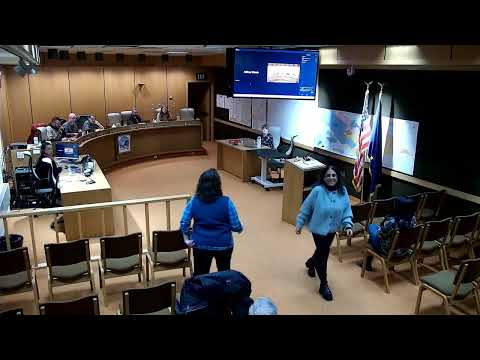
The Kodiak Island Borough Assembly spent a large portion of its Dec. 16 work session debating the motor vehicle registration tax, with public commenters and several assembly members urging a reduction for older vehicles while staff warned the revenue currently supports debt service and junk-car removal programs.
Public commenters—including Judy Keter, who detailed prior MVRT increases and urged notification to the state before year-end to affect the 2027 rate—characterized the fee as inequitable for low-income residents. “There’s a disparity. It’s an inequitable tax the way it’s laid out,” Keter said during public comment.
Madam Manager and finance staff cautioned that MVRT revenue offsets school-bond debt and funds a borough junk-vehicle removal program. Staff said if MVRT revenue were reduced, the borough would need to either cut services, raise the mill rate, or find alternate revenues; property-tax limitations (MAPTA) and an uncertain state bond outlook complicate those options. The manager explained that the state failed to pay roughly $1.8 million in school-bond reimbursement in a recent year, leaving a gap the borough must budget for.
Assembly members proposed compromises: lowering rates only on older vehicles, shifting more of the burden to newer vehicles, or identifying small budget cuts to replace lost revenue. Members also recommended gathering specific state data on which vehicle age cohorts contribute the revenue before making decisions.
Because ordinances require advertising and, if needed, two meetings for adoption, the clerk noted it was not feasible to change the tax before the end of the calendar year. The assembly concluded there was no consensus for an immediate change and asked staff to bring the matter to a spring work session tied to the FY 2027 budget process so officials can model fiscal impacts and consider state funding prospects.