Discover Kodiak and local businesses urge assembly not to redirect bed tax for non‑tourism uses
Loading...
Summary
Discover Kodiak and local business owners told the Kodiak Island Borough Assembly that using transient accommodation (bed) tax revenues for non‑tourism infrastructure would undermine the fund's purpose and risk services that support air, ferry and visitor‑dependent businesses.
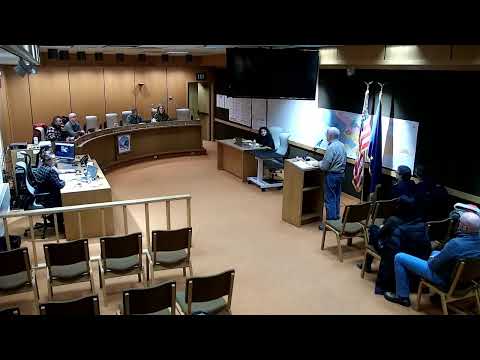
Sabrina Hicks, executive director of Discover Kodiak, told the Kodiak Island Borough Assembly on Dec. 18 that allowing transient accommodation tax revenues to be used for purposes outside tourism — including housing infrastructure — would turn dedicated tourism funds into general surplus and create ongoing risk for the industry. “Once tourism development funds are allowed to be used for purposes outside their original intent, they are no longer viewed as dedicated funds but as surplus funds, and these funds are not surplus,” Hicks said.
Local tourism stakeholders followed with similar warnings. Marty Owen, who identified himself as a Discover Kodiak board member and treasurer, urged caution and gave a local precedent: a previously earmarked sales tax increase intended for harbor improvements was redirected in part to pay a police department bond, leaving harbor repairs unfunded. “So please, you know, consider that kind of thing when you’re making decisions to redirect funds,” Owen said.
Business owner Jesse Glaman said redirecting bed tax opens “a pretty dangerous door” that will be difficult to close, and Susan Johnson, who said her business employs roughly 45 people year‑round, said the bed tax (commonly called the 5% bed tax) is meant to pay for tourism programs, enhancement projects and administration and should not be used for hard infrastructure she did not view as tourism‑focused.
Assemblymembers acknowledged housing is a serious challenge but said process and benchmarking are needed before changing the fund’s rules. Assemblymember Johnson said he supports high‑value tourism but is open to policy change only after comparative analysis of what other Alaska communities do with similar levies. “When we bring this discussion back up, I’d like to see some benchmarking. What do other communities in Alaska do with their, again, bed tax?” he said.
No ordinance or vote changing the bed tax was before the assembly at this meeting; the remarks were part of the public‑comment period. The assembly did not adopt any policy change on the fund at the Dec. 18 meeting; members indicated the issue may return for further discussion and possible action at a future work session or regular meeting.