
Council rejects $30,000 increase to city council education budget after debate
Get AI-powered insights, summaries, and transcripts
Subscribe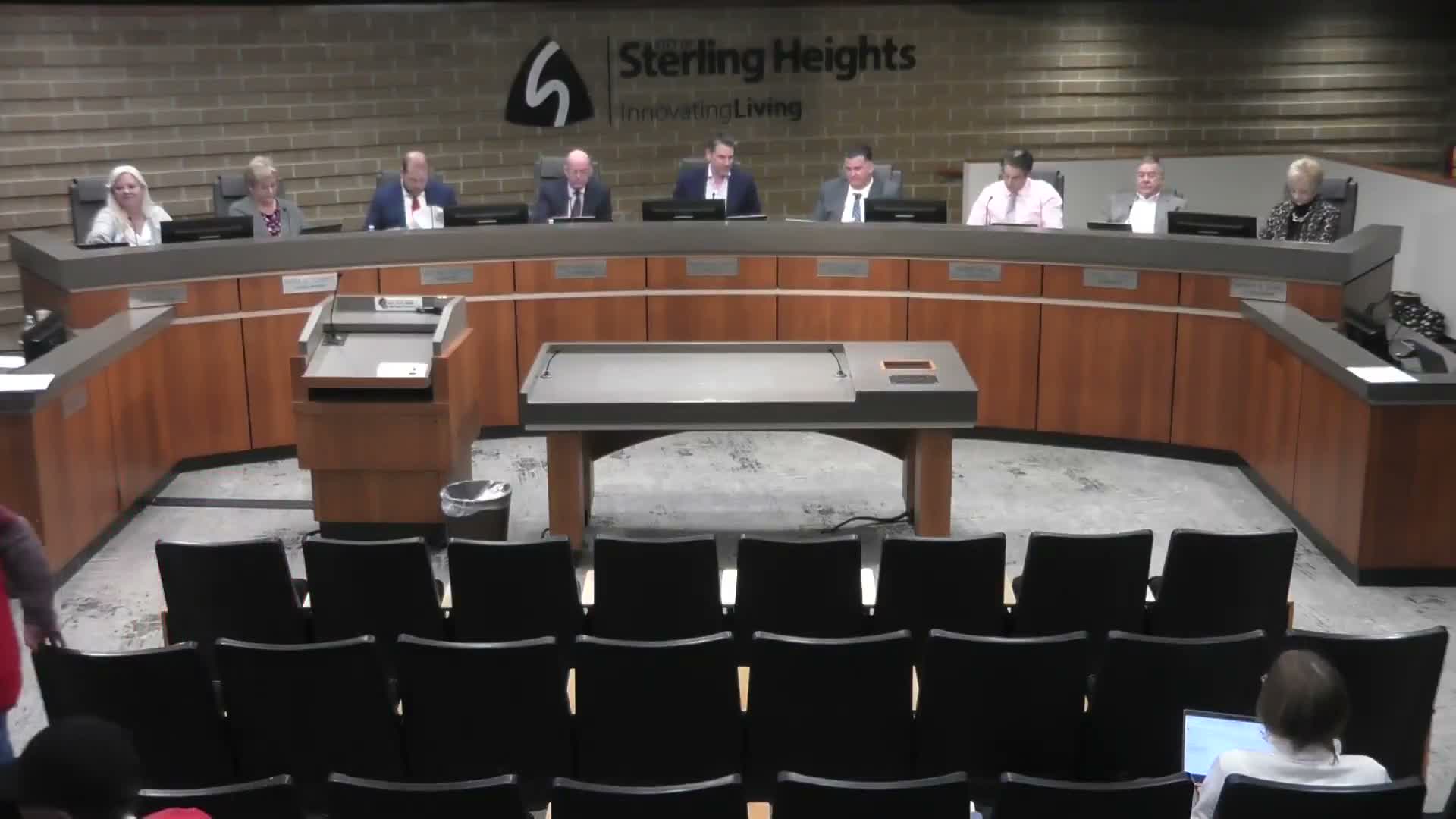
Summary
The Sterling Heights City Council voted down a proposed $30,000 budget amendment to increase council education and training funds, with supporters citing professional development and opponents citing cost and distribution concerns; the motion failed 3–4 on roll call.
Sterling Heights — The City Council declined a $30,000 increase to the City Council education and training budget after extended debate and a roll-call vote that failed 3–4 on Jan. 6.
Councilmember Brad Radke moved the amendment, saying it would cover registration for four council members to attend the Mackinac policy conference and $8,000 for other professional development. Radke argued that attending conferences yields valuable ideas the council can bring back to the city.
Opponents said the timing and blanket allocation were problems. "I’m not gonna support this just because I think this increases the cost of government a little bit," Councilmember Majer said, adding that residents are dealing with higher living costs. Councilmember Yanez proposed directing funds to city employees or providing grants for residents for life-safety classes instead.
Mayor Taylor said the city’s reserves and prior examples of useful conference takeaways justified the modest increase relative to the city’s roughly $300 million budget, but he acknowledged dissent among members.
A roll-call vote was taken after debate; the motion to increase the education fund failed 3–4. The transcript shows council members split on priorities and recommended alternatives such as rotating conference attendance, allotting per-councilmember allowances, or expanding training for city staff.
What happens next: Council members suggested staff consider alternative models for professional development funding, including rotating representation, individual allowances, or targeting funds to city employees or hardship grants for public CPR classes; no new appropriation was approved.