
Local technologist warns Gadsden of looming web‑accessibility deadline, urges city action
Get AI-powered insights, summaries, and transcripts
Subscribe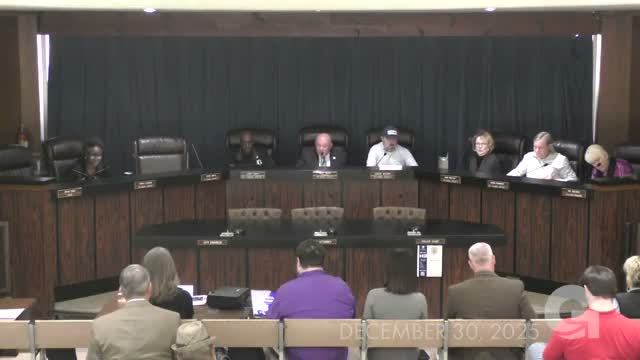
Summary
John Burnett told the Gadsden City Council digital services must meet WCAG standards and warned of Department of Justice enforcement timelines for larger cities; he urged an inventory of city web pages, contracting accessibility requirements, and a centralized design language to reduce future costs and litigation risk.
John Burnett, a local technology professional, told the Gadsden City Council that the city’s digital services amount to a "digital city hall" and must be accessible to residents with disabilities. Burnett warned of increasing enforcement and advised the city to inventory its web presence, require accessibility acceptance criteria in contracts, and adopt a centralized design language for future builds.
Burnett explained why accessibility matters: "Because really, what we're talking about here is our digital city hall. The city website is like a city hall." He said that missing features such as alt text and structural markup make some city pages unusable for people who rely on screen readers and other assistive technologies. He cited Department of Justice guidance under Title II that, for larger cities, creates a near-term compliance timeline tied to WCAG (Web Content Accessibility Guidelines), and said smaller cities like Gadsden have additional time but must plan now.
Burnett pointed to specific problems on contractor‑built pages and recommended practical steps: conduct an inventory of the city's hundreds of pages, include accessibility acceptance criteria in vendor contracts, and consider a centralized design language or component library so accessible building blocks can be reused across platforms. "If you're building with accessible LEGOs, it's not that much of a stretch to just care about the order in which you assemble them," Burnett said.
During Q&A, a council member asked whether the city could present a standardization model to third‑party web developers; Burnett said yes and recommended contacting vendors such as CivicPlus while also making the accessibility requirements explicit in procurement and acceptance testing. The clerk requested Burnett email materials to the clerk's office for distribution to the mayor and council.
Burnett warned that remedying accessibility issues later is more expensive and exposes the city to litigation: "If we take action, you'll reap the savings, I promise, and include neighbors who wouldn't otherwise be able to interact with the city." He urged the council to treat accessibility work as an investment that reduces later legal and operational costs.
The council did not take formal action at the meeting but asked staff to receive and circulate Burnett’s materials for follow-up.