Scott County Board Accepts NRCS Award and Agrees to Reserve Funds for Cove Creek Work
Summary
Supervisors voted to accept and 'lock in' a federal NRCS award for stream/creek restoration projects (including a project labeled SCOTT 3) and to place the funding into a county account for future draw-down; the county would be responsible for a local match and engineering costs if projects proceed.
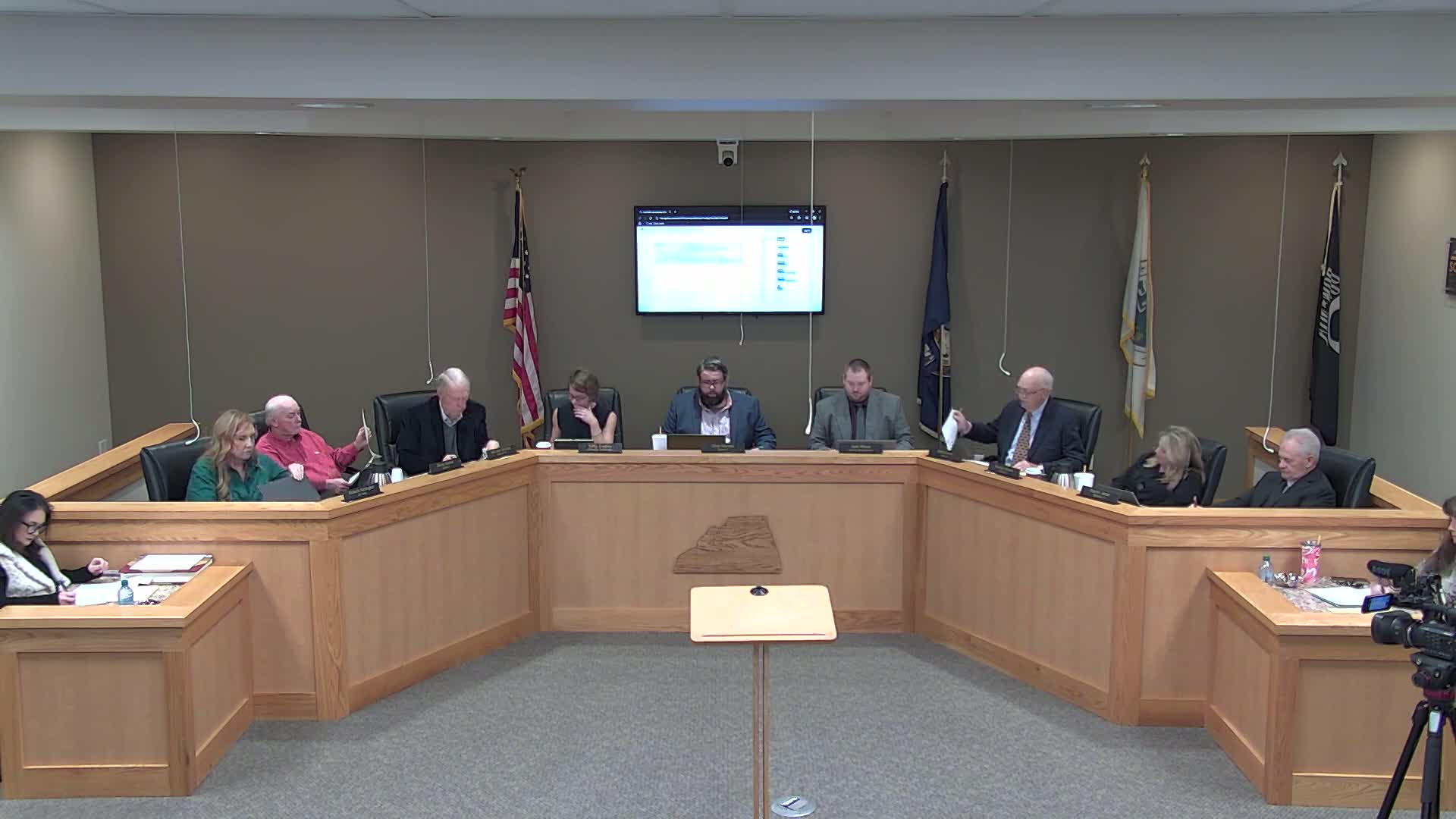
The Scott County Board of Supervisors voted Jan. 7 to accept a federal grant award from the Natural Resources Conservation Service (NRCS) and to submit paperwork to place the award into a county-held account. The action was framed as securing reimbursable federal funds so the county can later draw down payments as project receipts are submitted.
County staff told the board the NRCS package includes a project the board had previously fought to have reconsidered — identified in materials as SCOTT 3 — and that engineers' estimates put the SCOTT 3 construction estimate at "833,333 and 33¢" for the project listed in the packet. Staff explained NRCS would fund the work on a reimbursable basis and that the county would be responsible for a local match: roughly 20% of construction cost and a larger share for technical/engineering services (staff described NRCS providing a technical-services amount that would leave the county responsible for most engineering costs). County staff said they would continue to seek state matching funds where possible.
Board members asked about permitting (Army Corps of Engineers, FEMA and state permits were discussed) and whether the county would be legally or financially obligated by accepting the award. County staff clarified accepting the award and placing it into a holding account would not obligate the county to immediately spend construction money; a separate board action would be required to start a project. Staff also emphasized NRCS and other agencies appeared willing to work with local concerns and that the paperwork to lock the funds needed to be submitted by the end of the week.
The board moved to accept the award and to lock the funds in the county account, with final project approvals returned to the board before construction begins.
Why it matters: The award could enable repair or restoration work in flood-impacted creek corridors; however, the county must provide local match and cover engineering and environmental-review costs to execute projects. Board action to accept and reserve the funds preserves the opportunity and gives staff time to pursue matching dollars and permitting.
Next steps: County staff will submit NRCS paperwork to secure the funds and continue outreach to the Army Corps and other permitting authorities, pursue potential state matching funds, and return to the board with project-specific actions and cost breakdowns if and when they recommend starting construction.