Get Full Government Meeting Transcripts, Videos, & Alerts Forever!
Get email alerts on the Meeting Schedule topic
No spam. Unsubscribe anytime.
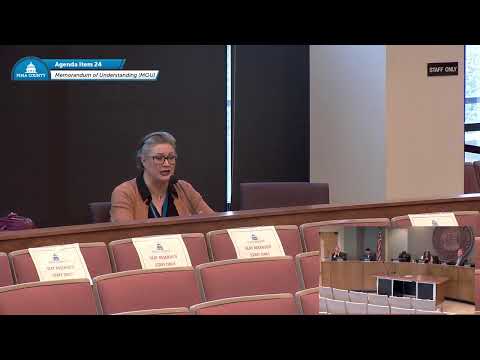
Pima County board votes to add monthly study sessions and shift one meeting to evenings
Summary
After extended debate about public access and staff costs, the board voted unanimously to hold monthly study sessions and to move to second/fourth Tuesday meetings starting in May, with study sessions at 1 p.m. and evening regular meetings beginning at 5 p.m.
The Pima County Board of Supervisors voted Jan. 6 to add a standing monthly study session and to change the board’s regular meeting schedule so one meeting each month begins in the late afternoon or evening.
After a multi-hour discussion about public access, staff capacity, security and budgetary impacts, supervisors agreed to a schedule change effective in May. The adopted plan makes the second Tuesday of each month a study-session day beginning at 1:00 p.m. (scheduled to run through 4:30 p.m., with regular session starting at 5:00 p.m.), and the fourth Tuesday a regular-session night beginning at 5:00 p.m. The change was approved unanimously; board members asked staff to return with cost estimates and implementation details before May.
Supporters said study sessions would create space for deeper policy conversations and allow more members of the public and working households to attend evening meetings. Supervisor Jennifer Allen described study sessions as “opportunities for the public to be present” and a place to “dig in on complex issues.”
Opponents urged caution about shifting long‑established meeting patterns and asked for an accounting of added expenses. Supervisor Christie requested a cost analysis of overtime, evening staffing, parking and security before full implementation; Clerk Manriquez noted the office has a current vacancy and would need time and resources to add staff if the office-hour footprint expands.
Miss Lesher and clerk’s staff said the May start gives time to advertise changes, test logistical arrangements and, if necessary, add or reassign staff. The board also discussed options for alternate meeting rooms and arrangements that would allow study sessions to be more conversational in format than traditional chambers seating.
Members asked that staff report back periodically on effects to public participation and meeting length; multiple supervisors said the goal is to reduce the length of decision-focused evening meetings by moving discussion items to study sessions.