
Residents and taxpayers urge Bakersfield to delay steep sewer rate hikes, demand audits and phased plan
Get AI-powered insights, summaries, and transcripts
Subscribe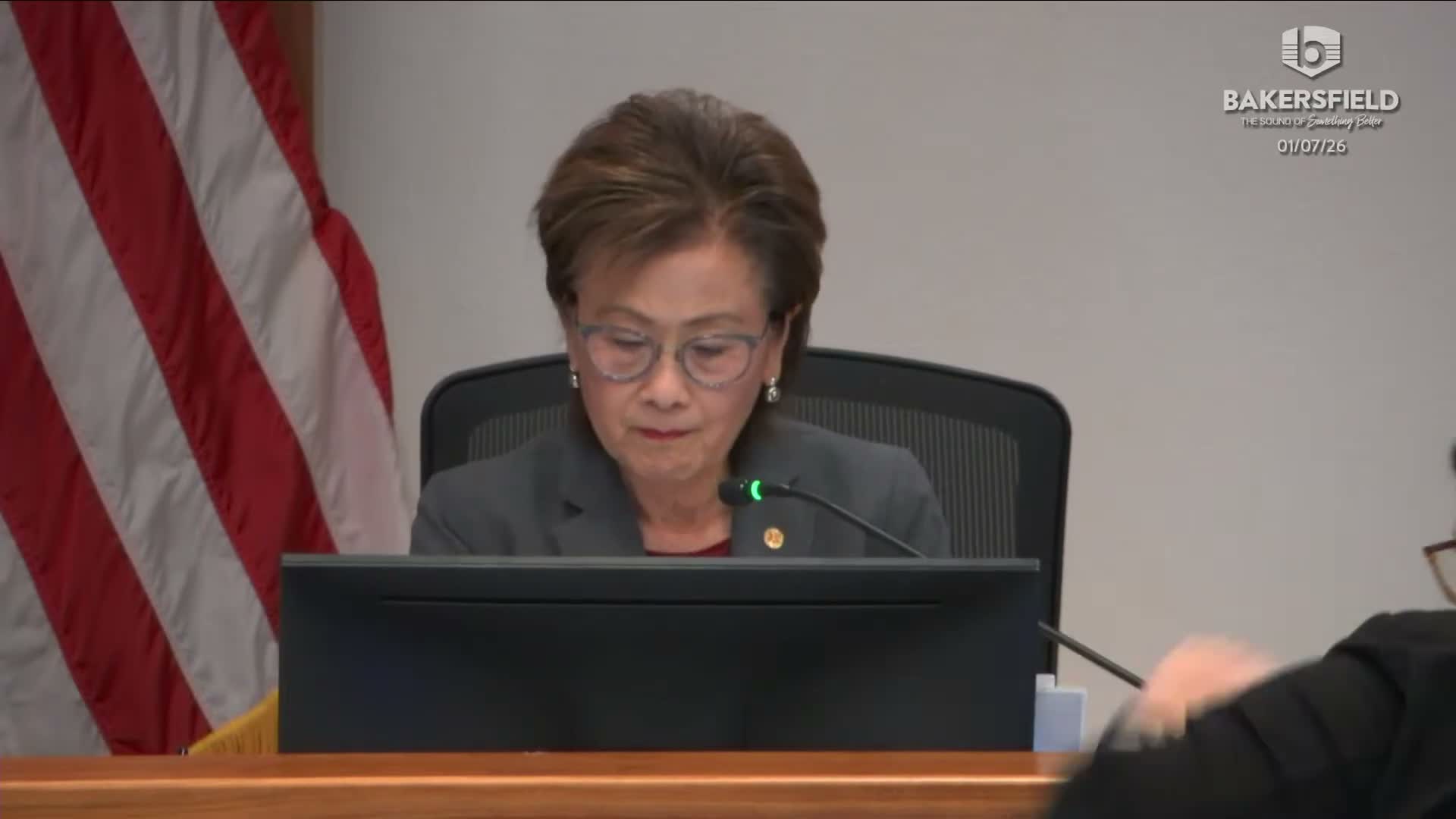
Summary
Speakers at the Jan. 7 meeting accused the city of long‑term sewer mismanagement and opposed rapid rate increases, calling for phased schedules, independent oversight and pursuit of grants; residents also raised separate public‑health concerns about valley fever and alleged local contract favoritism.
At the Jan. 7 Bakersfield City Council meeting, several residents urged the council to pause or phase planned sewer rate increases and to provide stronger oversight and transparency.
Michael Turnipseed, speaking for the Kern County Taxpayers Association, said the city allowed maintenance to be deferred while keeping rates low, producing a gradual system failure. "The sewer crisis in Bakersfield stems from the city's long term mismanagement," Turnipseed said, and he argued that immediate, significant rate hikes would primarily affect families, seniors and small businesses. He recommended a gradual rate schedule, independent oversight such as audits and public dashboards, and exhausting state and federal funding options before raising rates on residents.
Julie Solis, a resident who said she has lupus, criticized the city for inaction on valley fever risks tied to excavation. "You guys do nothing," she told the council, saying excavations near neighborhoods are exposing residents to spores and that officials have not sufficiently educated or notified nearby communities. She also raised concerns about spending priorities and referenced an allegation that the city planned to spend $35,000,000 for 30 units; the council record does not provide details on that claim.
Johnny Olegas raised questions about perceived preferential treatment for local business interests, asking about a reported $7.5 million taxpayer contribution tied to a local family enterprise and noting media reports on a partnership with a company identified in news coverage as locally owned (Sage Properties). "What does Sage Properties have to benefit from $7,500,000?" Olegas asked, and he urged transparency and accountability from elected officials.
Councilmember Gonzales responded to Olegas by clarifying that his nonprofit files IRS Form 990 annually and explaining his organization's faith‑based nonprofit origins; he denied that churches are required to file Form 990 and said his organization complies with nonprofit reporting requirements.
None of the public comments produced a council motion or vote on sewer rates during the meeting; attendees called for further transparency, independent oversight and exploration of alternative funding sources before residents bear the brunt of any rate increases.