UN briefing: OPCW has visited 19 Syrian sites in 2025; at least two may be declarable
Loading...
Summary
A UN Office for Disarmament Affairs briefing to the Security Council reported OPCW field visits to 19 locations in Syria in 2025, collection of samples and documents, and that at least two sites could be declarable under the Chemical Weapons Convention; the briefing urged international support to complete verification and destruction work.
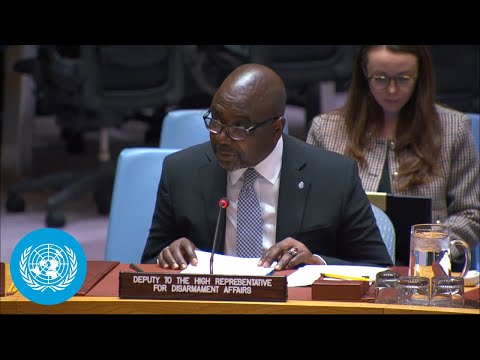
Adedeji Ebbu, speaking for the United Nations Office for Disarmament Affairs, told the Security Council that the OPCW technical secretariat has carried out deployments in Syria during 2025 and has visited 19 locations since March of that year. He said the work has included interviews with former chemical-weapons experts, the collection of six samples and more than 6,000 documents, and the identification of at least two sites that "could be declarable under the Chemical Weapons Convention."
Ebbu said the OPCW has conducted missions in March, April, June, August, September, October and November 2025 and that of the 19 locations visited, four were previously declared and 15 were suspected chemical-weapons-related sites. "The OPCW technical secretariat has reported, and I quote, 'serious concern,'" he said, referring to long-standing problems with the accuracy and completeness of declarations submitted by the previous Syrian government.
The briefing described recent steps in Damascus–OPCW cooperation: Ebbu said he met this week with Ambassador Ibrahim Olabi, Syria's permanent representative to the United Nations, and that Ambassador Mohammed Khatub has been appointed as Syria's permanent representative to the OPCW. He reported that Syria submitted two note verbals in November 2025 containing the results of reconnaissance visits to two suspected locations and that the OPCW is analyzing those reports.
Ebbu warned that some sites proposed for inspection are in dangerous areas that pose "significant risk to teams on the ground, including Syrian and OPCW personnel," and said the OPCW had provided Syria with a list of operational requirements that must be met before further visits can take place. He added that Syria has said it will share those requirements with national and international partners and will coordinate necessary activities.
The briefing noted several institutional developments: the Syrian National Authority has been reestablished and, according to Ebbu, an OPCW mission presence with secured accommodation and office space was put in place in October 2025. Ebbu also said the OPCW director-general sent a letter and a needs-and-gaps assessment to members of the OPCW Executive Council to inform partners about what is required to support the activities in Syria.
On technical options for destruction, Ebbu said the OPCW technical secretariat has been advising on destruction plans and that, where conditions require, destruction may need to be carried out on-site. He described the Executive Council's recent decision on expedited on-site destruction (cited in the briefing as EC‑110 D, dated August 2025) as a positive step that authorizes such measures.
Ebbu urged Security Council members to provide consistent international support for the work ahead, calling it a "critical opportunity to obtain long overdue clarifications on the full extent and scope of the Syrian chemical weapons program and to rid the country of all chemical weapons." He concluded, "The United Nations stands ready to support and will continue to do our part to uphold the norm against the use of chemical weapons anywhere at any time."
The OPCW technical secretariat will continue analysis of the sites, coordinate planned visits with the Syrian government once operational requirements are met, and prepare further deployments to determine the declarability and destruction requirements for identified locations.