District presents 'intermediate' consolidation model to close underused buildings
Loading...
Summary
Staff proposed an intermediate model (preK–4, 5–6, 7–8, 9–12) to reduce buildings from about 30 to 23 and to create true feeder patterns; principals generally supported the concept but urged phased implementation, attention to transportation and staffing, and early community communication.
District leaders proposed exploring an "intermediate" configuration that would reorganize grade bands (preK–4, 5–6, 7–8, 9–12) to create true feeder patterns, stabilize staffing and reduce the number of buildings. Presenters said the model could reduce the district inventory from about 30 buildings to roughly 23 and that conservative savings estimates for consolidating one elementary were around $1 million (a middle‑school consolidation estimated at roughly $1.5 million).
Staff walked the board through benefits (more developmentally focused grade bands, greater staffing flexibility for hard-to-find content positions such as middle-grade science and math, consolidated equipment and targeted programming) and concerns (additional transitions for some students, transportation complexity, and the need to revisit staffing models and license implications). They said they are following Iowa Department of Education guidance on consolidation processes and emphasized a phased, multi-year approach rather than an immediate district-wide swap.
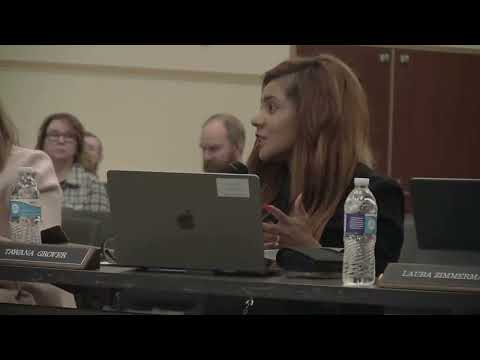
Principals who participated in the discussion generally voiced support for the model, describing classroom and schedule challenges in current middle schools and arguing the intermediate approach could reduce awkward grade‑level scheduling while expanding program options. Board members pressed for clear criteria to identify candidate buildings, asking staff to prioritize choices among geographic proximity, building condition and capacity, equalizing high‑school enrollment versus preserving existing high‑school boundaries, and socioeconomic balance.
Staff asked the board for directional feedback on which criteria to prioritize so modeling teams can return next week with scenario runs: phased 1–3 year and longer 3–5 year implementation options tied to construction timelines and registration deadlines. No boundary decisions were made at the meeting; staff said more detailed maps and phased timelines will be presented at future meetings for board review and for public engagement.