Get Full Government Meeting Transcripts, Videos, & Alerts Forever!
Get email alerts on the Animal Shelter topic
No spam. Unsubscribe anytime.
Residents, volunteers press Manatee County over new Bishop shelter kennels; commissioners promise follow-up
Summary
Multiple volunteers and trainers told county commissioners they fear the prefabricated kennels recently installed at the Bishop campus are too small, too noisy and unsafe for long-term sheltering. Commissioners said committees and a task force will review specific fixes and the matter will return to the agenda for follow-up.
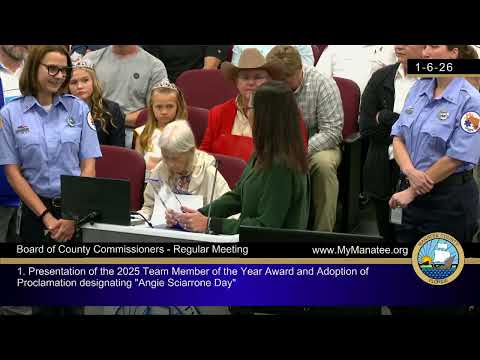
Angie Schierone was recognized as Manatee County’s 2025 employee of the year early in the Dec. 18 meeting, but the session later turned to sustained public concern over the county’s new Bishop animal shelter.
Dozens of volunteers, trainers and animal advocates told the Board of County Commissioners the prefabricated kennel buildings delivered during Phase 1 of the Bishop campus renovation risk high noise and stress for dogs and create operational hazards for staff and volunteers. Misty Evans, a longtime volunteer, asked the board to return shelter planning to a future agenda and to pause moving animals in until fixes are made. Trainer Julie Madison presented a petition and technical critiques, saying the run spacing, exit layout and materials “increase behavioral risks” and are unsuitable for large, reactive dog populations.
The concerns drew a range of responses from commissioners. Commissioner George Cruz defended the broader Bishop project, saying Phase 1 improved conditions over the older Palmetto facility and that the roughly $12 million figure cited by some speakers covered the entire campus, not only the prefab runs. “I stand behind what Sarah did,” Cruz said, referring to the county’s animal welfare team. Other commissioners, including Commissioner McCann and Commissioner Phelps, said they had heard the public and pledged concrete next steps: McCann said she would add the shelter to the next full agenda so residents can offer solutions; Phelps proposed that the county’s Citizens Advisory Committee and the existing task force work together to develop recommended fixes.
County staff and commissioners asked speakers to provide plans, photographs and technical documents for inclusion in the public record; several residents said they had already submitted documents to the clerk. Commissioners and staff repeatedly encouraged specific, actionable recommendations—changes to the kennel layout, acoustic mitigation, revised circulation patterns or site adjustments—rather than calls to “start over,” which several commissioners said would be costly and impractical.
What happens next: Commissioners moved to direct the Citizens Advisory Committee and the task force to review the volunteers’ concerns and report back with specific options for mitigation or operational changes. The board did not vote on any ordinance or contract related to the shelter at the meeting, but several members said the issue would return to the agenda for further public consideration and staff follow-up.