
Port McKenzie sees rising interest; Crowley secures permit to study large fuel terminal
Get AI-powered insights, summaries, and transcripts
Subscribe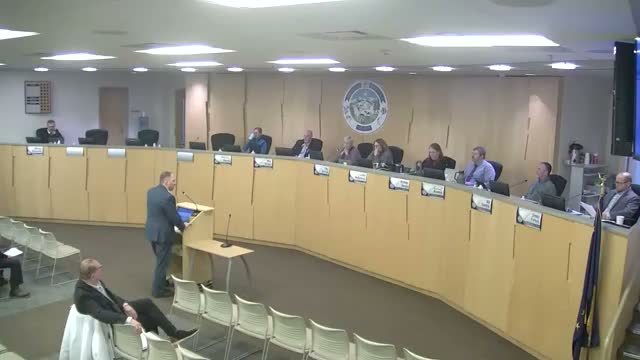
Summary
Port Director David Griffin told the Matanuska-Susitna Borough Assembly that new barge activity and private-sector interest are accelerating Port McKenzie development. Crowley Fuels has a signed permit to conduct due diligence for a potential 20–40 acre bulk fuel terminal and may make a final investment decision in 2026, with possible fuel deliveries in 2027.
David Griffin, port director, told the Matanuska-Susitna Borough Assembly on Jan. 6 that Port McKenzie is attracting more maritime business and private investment interest as its strategic location and deep water become better known.
Griffin said the port saw a busy 2025 season dominated by barges and some new operators. He cited the Arctic Edge 2025 exercise and multiple open-house events that drew legislators and industry delegations, and he said the port has taken revenue and operational steps forward, including federal grants for security and a barge haul-out facility that remain subject to NEPA review.
On the most notable private-sector development, Griffin said Crowley Fuels submitted a permit and the borough signed it to allow Crowley to do due diligence on siting a bulk fuel storage facility at Port McKenzie. Griffin described the potential project as a large fuel terminal on roughly 20 to 40 acres; he said Crowley could invest privately to design, permit and build the terminal and operate it on a nonexclusive basis. Griffin said the company is targeting a final investment decision in 2026 and that, if built, the terminal could lead to construction activity and tanker deliveries beginning in 2027.
Griffin also described traffic projections discussed with industry: Crowley and others have talked about moving large annual volumes through the port (Griffin quoted a potential figure of 200,000,000 gallons annually as part of the discussion), and he said such throughput could make the port commercially attractive to other fuel companies.
Assemblymembers asked whether the borough would fund infrastructure for a terminal. Griffin said the borough is unlikely to put up the $20–30 million that such a terminal would require and that Crowley’s proposal envisions Crowley funding design, permitting and construction under a long-term lease or use arrangement. He said possible borough tools could include negotiated tariff or lease terms but emphasized private capital would accelerate timing.
Griffin closed by noting recent grant wins (including a FEMA port-security award and other federal grants) and by urging continued support for grant applications and NEPA work that could affect timetables.
The Assembly did not take formal action on the Crowley permit during the meeting; Griffin said staff will return with follow-up information as the company completes due diligence.