
Muncie public commenter warns of river trash and rising sewer costs, questions developer hookups
Get AI-powered insights, summaries, and transcripts
Subscribe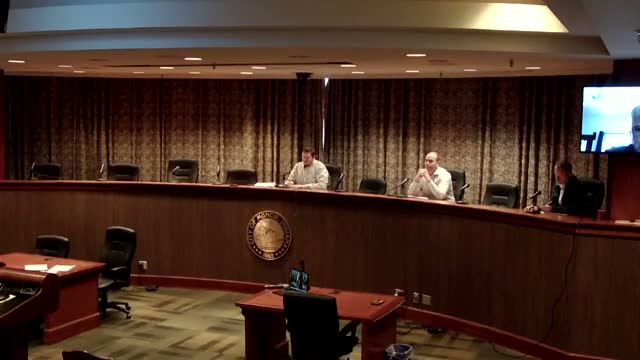
Summary
At the Jan. 7 Board of Sanitary Commissioners meeting, Rick Yenser urged officials to keep the river clean and questioned whether sewer hookups for a developer should be paid by sanitary customers, also claiming the storm/sanitary separation project has led to roughly $150 million in debt (a claim he attributed to lingering project costs).
Rick Yenser, a local writer, used the public-comment portion of the Board of Sanitary Commissioners' Jan. 7 meeting to urge the board to "keep the river clean and pick up trash" and to raise concerns about sewer costs. "I heard some noise the other day about whether this is a sanitary job to hook up the apartment building for the developer, which we, the taxpayers, then would have to pay," Yenser said.
Yenser also claimed the ongoing storm/sanitary separation project has resulted in about "$150,000,000 in debt that we're gonna have to pay the rest of the time," and criticized federal environmental policy changes generally. The board did not respond with data or a rebuttal during the public-comment period.
Why it matters: Sewer-separation projects and new developer connections can affect future customer bills and project debt service. Yenser framed his remarks as taxpayer concern; the figure he cited was presented as his assertion and was not verified during the meeting.
Board action and next steps: The board received the comment during the public-comment period and moved on to its agenda. No formal action or response to Yenser's claims was recorded in the meeting transcript.
Quote: "I heard some noise the other day about whether this is a sanitary job to hook up the apartment building for the developer, which we, the taxpayers, then would have to pay," Yenser said.
Ending: The board proceeded to routine business after public comment; no formal follow-up or staff report about the claim was provided during the meeting.