Get Full Government Meeting Transcripts, Videos, & Alerts Forever!
Get email alerts on the Recovery Residence Ordinance topic
No spam. Unsubscribe anytime.
Escambia County planning board approves rules for certified recovery residences
Summary
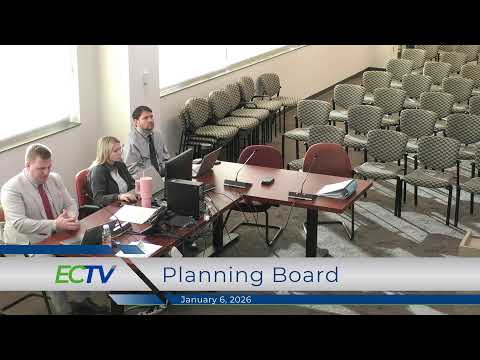
On Jan. 6, 2026, the Escambia County Planning Board approved an amendment to Chapter 4, Article 7 to create section 4-7.18, establishing a written reasonable-accommodation process for state-certified recovery residences as required by state law.
The Escambia County Planning Board voted Jan. 6, 2026, to approve an amendment to Chapter 4, Article 7 of the Land Development Code to create section 4-7.18, which sets a formal process for reasonable-accommodation requests from state-certified recovery residences.
Planning staff explained the change responds to state legislation (Senate Bill 954, codified at section 397.487, Florida Statutes) and aligns county procedures with federal obligations under the Fair Housing Act and the Americans with Disabilities Act. “A state certified recovery residence is a residential dwelling that houses individuals recovering from substance abuse disorders that holds a valid certificate of compliance under section 397.487 Florida statutes,” a staff member told the board during the presentation.
Under the new code language described by staff, an applicant files a written request identifying the specific Land Development Code requirement at issue and explaining why the accommodation is necessary. Examples cited include occupancy limits, parking requirements and spacing rules. Staff said each request will be evaluated on a case-by-case basis for reasonableness and potential undue financial or administrative burden on the county; approvals are conditional on continued state certification and compliance with state requirements.
Staff said a written decision will be issued within the timeline required by law (staff referenced a 14-day decision period) and that appeal rights would be available to the Board of County Commissioners in a quasi-judicial proceeding. The board moved to approve the ordinance amendment, received a second and carried the motion by voice vote. No roll-call tally was recorded in the transcript.
Planning staff also noted the board will meet next on Tuesday, Feb. 3, 2026, with three cases on the agenda.