Get Full Government Meeting Transcripts, Videos, & Alerts Forever!
House committee hearing frames blockchain as a toolkit for ranchers, engineers and legal tech
Summary
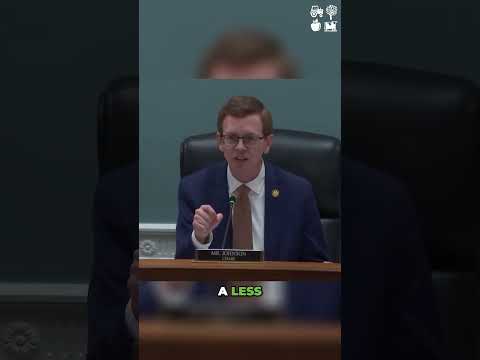
At a hearing of the Agriculture: House Committee, an unidentified speaker said entrepreneurs would show how blockchain and digital assets can help ranchers market cattle, improve GPS for precision agriculture and automate legal disclosures; the remarks framed the discussion around market-structure legislation to enable these innovations.
At a hearing of the Agriculture: House Committee, an unidentified speaker (S1) said the panel would hear from entrepreneurs "using blockchain and digital assets to solve real world problems." The speaker framed the event around the hearing title, "on chain tools for an off chain world," and described a focus on practical applications rather than cryptocurrency speculation.
The speaker highlighted three examples the…
Already have an account? Log in
Subscribe to keep reading
Unlock the rest of this article — and every article on Citizen Portal.
- Unlimited articles
- AI-powered breakdowns of topics, speakers, decisions, and budgets
- Instant alerts when your location has a new meeting
- Follow topics and more locations
- 1,000 AI Insights / month, plus AI Chat