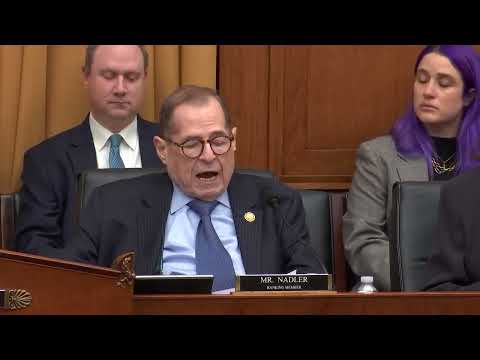
Congressional hearing opens on proposed Warner Bros. mergers as lawmaker raises antitrust and press‑freedom concerns
Loading...
Summary
An unidentified speaker opened a Judiciary: House Committee hearing urging careful antitrust review of proposed transactions involving Warner Bros., Netflix and Paramount, citing potential market concentration, threats to theatrical distribution and risks to journalistic independence.
An unidentified speaker opened a Judiciary: House Committee hearing by warning that proposed transactions involving Warner Bros. and potential buyers such as Netflix and Paramount could substantially increase media concentration and merit close antitrust scrutiny.
The speaker listed a history of past Warner‑related corporate moves — the 2000 AOL‑Time Warner merger, AT&T's 2019 acquisition of Time Warner and the 2021 formation of Warner Bros. Discovery — and said the latest sales offers raise questions about the future of pricing, production and distribution of audiovisual content.
"This time, it has accepted a bid from Netflix," the speaker said, describing the deal as one that would transfer control of Warner's streaming and studio assets, including "DC Studios, HBO and HBO Max, and Warner Bros. Motion Picture and Television Groups," and citing an asserted figure of "128,000,000 streaming subscribers" tied to Warner. The speaker framed that report as part of broader concern that a merged company could command a large share of the streaming market.
The opening statement also recounted a separate hostile offer from Paramount Skydance that, if successful, would seek control of additional Warner assets, including CNN. The speaker warned that such consolidation could shrink the number of major movie studios and reduce competition in the sector.
Industry groups and labor organizations, the speaker said, have raised alarms. "We have also heard great alarm from the movie theater industry," the speaker said, and quoted a Netflix co‑chief executive's reported description of movie theaters as "an outmoded idea and not consumer friendly," a remark the speaker used to underscore tensions between theatrical exhibitors and streaming platforms. The speaker further cited concerns from the Writers Guild of America and the Directors Guild about potential impacts on jobs, wages and creative opportunities.
The opening also focused on risks to editorial independence if ownership of major news outlets changes. The speaker pointed to recent controversies in broadcast news and said that bringing outlets under certain owners could have implications for news coverage. As an example, the statement referenced reporting about Barry Weiss and a spiked "60 Minutes" story to illustrate possible editorial interference under new ownership.
The speaker criticized what they called the politicization of the antitrust review process under the Trump administration, saying testimony from a former senior official indicated White House intervention in Justice Department matters. The speaker also quoted a reported remark by former President Donald Trump — "I'll be involved in that decision" — as a reason to be vigilant about external influence on merger reviews.
"A proposed merger ... must be analyzed on its own merits," the speaker said, and urged congressional oversight to ensure any deal protects competition, consumers and workers. The statement concluded with thanks to the witnesses and a yield back to the chair.
Next steps: The hearing proceeded to witness testimony after the opening remarks; the speaker urged committee members to examine merger reviews closely and monitor any executive‑branch influence on enforcement.