Get Full Government Meeting Transcripts, Videos, & Alerts Forever!
Chair alleges Cuban 'doctors' program amounts to forced labor; State says it is raising the issue with Mexico and USTR
Summary
Chair Maria Salazar accused Mexico of participating in a Cuban program that she described as forced labor and said Mexico paid the Cuban regime rather than doctors; State Department witness said the department shares concerns and has raised the program at high levels and will coordinate with USTR on trade enforcement.
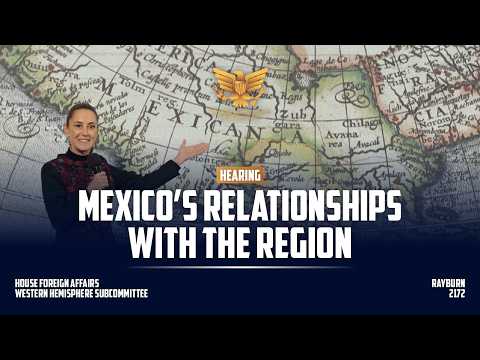
WASHINGTON — Chair Maria Salazar told the House subcommittee that Mexico’s agreements to receive Cuban medical personnel raise forced‑labor concerns and could violate trade commitments, and she urged the administration to pursue remedies in the USMCA review.
Salazar asserted that Mexico had “accepted more than 3,000 Cuban doctors in exchange for over $100,000,000 paid directly to the…
Already have an account? Log in
Subscribe to keep reading
Unlock the rest of this article — and every article on Citizen Portal.
- Unlimited articles
- AI-powered breakdowns of topics, speakers, decisions, and budgets
- Instant alerts when your location has a new meeting
- Follow topics and more locations
- 1,000 AI Insights / month, plus AI Chat