Get Full Government Meeting Transcripts, Videos, & Alerts Forever!
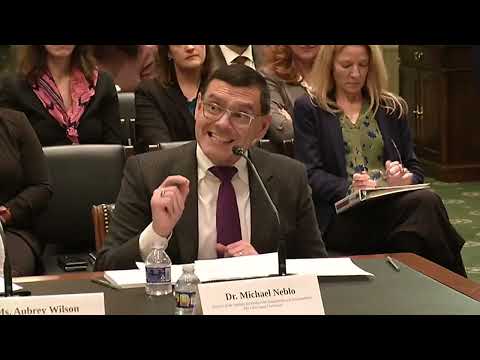
Witness tells House Administration Committee deliberative town halls can broaden constituent engagement
Summary
A witness described deliberative town halls using randomized sampling, pre/post surveys and accessible online platforms as a way to boost two-way engagement; a committee member cited a survey finding that 70% of respondents would engage more directly with elected officials.
At a House Administration Committee hearing, Speaker 2 described "deliberative town halls" as a structured way to increase two-way engagement between members of Congress and constituents, saying the approach uses randomized sampling, targeted invitations and follow-up surveys to broaden participation.
Speaker 1 opened the exchange by noting low public trust in Congress but citing a survey finding that "70% of respondents are willing to engage more directly with elected…
Already have an account? Log in
Subscribe to keep reading
Unlock the rest of this article — and every article on Citizen Portal.
- Unlimited articles
- AI-powered breakdowns of topics, speakers, decisions, and budgets
- Instant alerts when your location has a new meeting
- Follow topics and more locations
- 1,000 AI Insights / month, plus AI Chat