
House subcommittee questions antitrust risks as Netflix and Paramount vie for Warner Bros. Discovery
Get AI-powered insights, summaries, and transcripts
Sign Up Free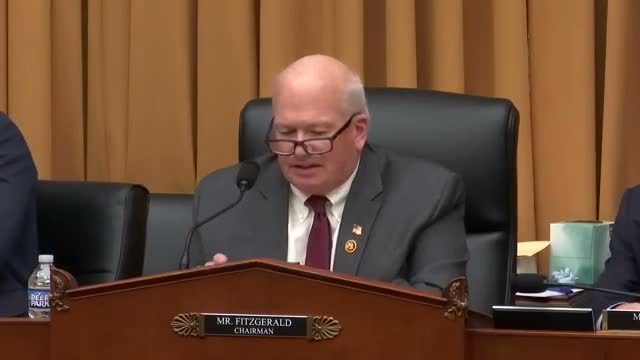
Summary
Witnesses at a House Judiciary subcommittee hearing debated whether proposed sales of Warner Bros. Discovery to Netflix or Paramount/Skydance would reduce competition, harm workers and newsroom independence, or deliver consumer benefits — with members pressing agencies to define markets and guard against political interference.
WASHINGTON — Lawmakers pressed antitrust experts on Tuesday over the competitive and public-interest stakes of reported bids by Netflix and Paramount/Skydance for Warner Bros. Discovery, the company that owns HBO Max, Warner studios and cable networks including CNN.
The hearing, convened by the House Judiciary subcommittee on competition and consumer choice in digital streaming, opened with the chair arguing that streaming’s rapid growth has reshaped distribution and consumer habits. "Today, we're here to start a much needed conversation about whether further consolidation in the streaming industry would be helpful or harmful to consumers," the chair said in opening remarks.
The panel of witnesses — Jay Ezrilev, an economist and former FTC adviser; Jessica Miluzian of the Competitive Enterprise Institute; John Yoon, a law professor and former FTC economist; and Matt Wood of Free Press Action — framed the debate around three recurring questions: how to define the relevant market for streaming; whether a combined company would harm downstream consumers or upstream rivals; and how to weigh efficiency claims against evidence of market power.
Several witnesses noted a familiar legal marker: the Philadelphia National Bank presumption that market shares above roughly 30% create a structural presumption of illegality. "If the data shows market shares above that mark, that presumption is an important starting point," said Professor John Yoon, who added the parties can try to rebut it by showing pro‑competitive benefits.
Experts clashed over how broadly to define the market. Miluzian and Yoon emphasized that regulators must assess substitutable services — from other streaming platforms to linear cable and social media — using real consumer-behavior data. Yoon said the inquiry will hinge on whether consumers move to alternatives such as YouTube or TikTok when faced with higher prices.
On remedies and promises, witnesses cautioned that behavioral commitments can be difficult to enforce but that court-ordered arbitration or long-term licensing commitments have preserved access in past deals. Jay Ezrilev warned that antitrust agencies should not be used to advance unrelated policy goals: "The enforcers should also not use their leverage to extract a settlement that advances a policy agenda," he testified.
Members repeatedly raised concerns about the political dimensions of merger review. Representative Raskin and others cited testimony alleging past political interference in antitrust enforcement and argued that presidential involvement in individual transactions risks turning merger approvals into tools for political favors. Witnesses broadly agreed that intensified congressional oversight of federal antitrust agencies would be appropriate.
Labor and creative-industry impacts were a persistent theme. Ranking Member Nadler and others entered statements from the Writers Guild, Directors Guild, SAG-AFTRA and other unions into the record and highlighted job losses tied to earlier mergers. Matt Wood warned that consolidation often reduces the number of buyers for creative work and can lead to job reductions and diminished diversity of content.
Lawmakers pressed witnesses on consumer-price effects and whether mergers could lower subscription bills by reducing fragmentation. Witnesses said effects would be mixed: some current multi‑service subscribers could benefit from bundled offerings, while other viewers might face higher prices to access integrated premium content.
Committee members also flagged numeric evidence cited by witnesses: broadband adoption rising sharply since 2000, streaming accounting for a growing share of TV use, and industry figures such as the reported Netflix bid around $82.7 billion and subscriber counts cited during testimony. Witnesses and members stressed the need for rigorous, data-driven analysis by DOJ and the FTC if a formal challenge proceeds.
The subcommittee did not take formal votes. The chair closed the hearing by giving members five legislative days to submit additional questions and materials for the record. The antitrust agencies — not Congress — will make the legal determinations on any merger filings, but the hearing underscored congressional appetite for close oversight of how those reviews are conducted.
The hearing transcript and submitted written testimony were entered into the record.