Lifetime Citizen Portal Access — AI Briefings, Alerts & Unlimited Follows
House committee member urges WRDA 2026 to build on Corps’ restoration work, cites communication delays
Loading...
Summary
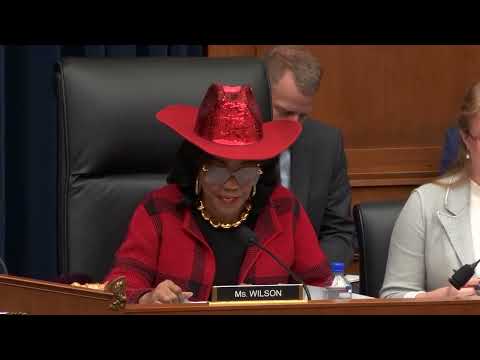
At a House Transportation and Infrastructure Committee hearing, a committee member praised past Corps restoration projects and urged that the Water Resources Development Act of 2026 authorize new studies and projects, while warning that recent Corps communication policy changes have delayed sharing basic project information with members' offices.
A member of the House Committee on Transportation and Infrastructure told colleagues at a committee hearing that Congress should build on recent Water Resources Development Act work to authorize and advance flood control, navigation, restoration and water-supply projects under a WRDA 2026 bill.
The member pointed to long-running Corps partnerships as examples of what Congress can accomplish when it gives the U.S. Army Corps of Engineers predictable authorities and resources. “As stressors or local priorities change over time, this committee has stayed vigilant to ensure that the Corps has the authority and resources necessary to address local needs,” the member said.
Why it matters: WRDA bills authorizing Corps studies and projects are the primary federal vehicle for funding and permitting major water infrastructure and restoration work. The speaker argued that regular, predictable WRDA enactment and clearer Corps guidance are necessary for communities to plan and for local partners to advance projects.
The member cited the Comprehensive Everglades Restoration Plan as a case study in long-term partnership. “We celebrated the 25th anniversary of enactment of the Comprehensive Everglades Restoration Plan,” the member said, noting the plan as a multidecade collaboration among the Corps, states and nonfederal partners that delivered economic, environmental and public-health benefits in South Florida.
The speaker also referenced work in coastal Louisiana and the Great Lakes as examples of restoration and resilience investments that have produced tangible community benefits.
Turning to recent statute changes, the member said the Water Resources Development Act enacted in 2024 gave the Corps new direction to support water supply, conservation and drought resiliency, and urged that WRDA 2026 “build on the successes of the last few WRDA bills.”
The committee member raised a separate but related concern about information sharing. “We have started to hear concerns from members on both sides of the aisle that recent changes in the communication policies of the Corps have led to delays and denials of sharing even the most basic information about core projects in members' districts,” the member said. The statement did not identify specific districts, projects or Corps districts affected.
The member called for improved communication between the Corps and congressional offices so that authorized studies and projects can proceed without avoidable administrative delays.
The speaker concluded by urging swift resolution of “bureaucratic holdups” that could impede the committee’s work on a WRDA 2026 bill and yielded back. The chair then recognized the ranking member to proceed with the hearing.
Next steps: The statement set the stage for committee deliberations on WRDA priorities and oversight of Corps implementation and communication practices; the hearing continued with the ranking member’s remarks.