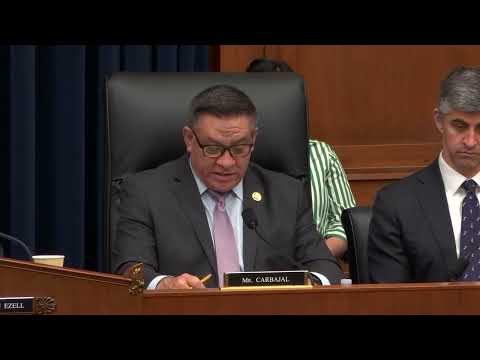
Member raises concerns about U.S. Coast Guard readiness for unmanned systems, urges funding and regulatory action
Get AI-powered insights, summaries, and transcripts
SubscribeSummary
An unidentified member opened a congressional hearing urging sustained annual appropriations and clearer regulations to support the U.S. Coast Guard's adoption of unmanned systems, while highlighting workforce readiness and cybersecurity risks.
An unidentified member opened a congressional hearing on the U.S. Coast Guard’s effort to adopt unmanned and autonomous systems, saying Congress should pair one-time reconciliation funds with sustained annual appropriations to make modernization effective. "It is important, however, that Congress complement reconciliation funding with robust sustained support through increased annual appropriations," the member said.
The member cited the Coast Guard Authorization Act of 2025 and a Dec. 8 implementation strategy the service transmitted for its unmanned systems program, noting that the report follows recommendations from the National Academy of Sciences. The member framed two oversight themes for the hearing—"mission enhancements and implementation"—and asked witnesses to address both capability gains and the practical steps needed to deploy new systems.
The speaker noted the Coast Guard already uses autonomous and unmanned aerial vehicle technology and said such tools can reduce flight hours and conserve resources. At the same time, the member voiced concern that the service "does not have the experience or expertise to effectively leverage new technology," and urged that investments be focused on strengthening the capacity of service members to use those tools in operations.
The member also pointed to regulatory gaps in the commercial maritime sector and at the International Maritime Organization (IMO), saying delays in adopting rules for new technologies—including past delays in alternative-fuel adoption—have created safety and environmental risks. They argued Congress should ensure the Coast Guard has the authority and tools to set waterborne safety standards and should require a regulatory approach that includes labor organizations, technology experts, international partners and port and vessel operators.
Automation’s effects on cybersecurity and the supply chain were raised as a particular concern. "I would like to hear about how the Coast Guard is currently addressing automation and the associated risks to national security and supply chain," the member said, seeking details about how the service plans to mitigate cyber risks tied to increased automation.
The member closed by saying they would press these points during their five minutes of questions.
The hearing continued with questions to follow and no formal votes were taken during these opening remarks.