Get Full Government Meeting Transcripts, Videos, & Alerts Forever!
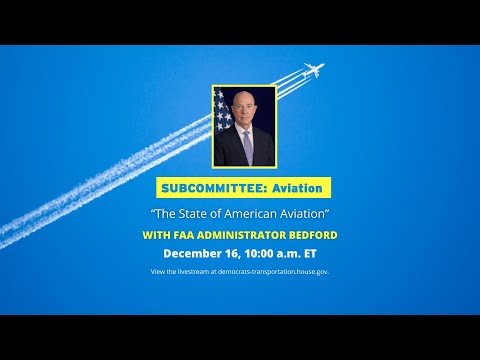
FAA outlines BVLOS and ADS‑B approach; committee explores remote towers and privacy tradeoffs
Summary
Administrator Bedford described the FAA's BVLOS rulemaking progress, said drones would be required to detect ADS‑B Out signals and 'avoid and detect' aircraft, and defended making remote/digital towers part of a cautious deployment plan; members asked about drone right‑of‑way and ADS‑B mandates for small aircraft.
Lawmakers asked the FAA where the agency stands on beyond‑visual‑line‑of‑sight (BVLOS) drone rulemaking, right‑of‑way between unmanned and manned aircraft, ADS‑B mandates and the deployment of remote/digital towers.
Bedford said the FAA received roughly 3,000 comments on its BVLOS rulemaking and planned stakeholder sessions to reconcile concerns. On right‑of‑way, he…
Already have an account? Log in
Subscribe to keep reading
Unlock the rest of this article — and every article on Citizen Portal.
- Unlimited articles
- AI-powered breakdowns of topics, speakers, decisions, and budgets
- Instant alerts when your location has a new meeting
- Follow topics and more locations
- 1,000 AI Insights / month, plus AI Chat