Get Full Government Meeting Transcripts, Videos, & Alerts Forever!
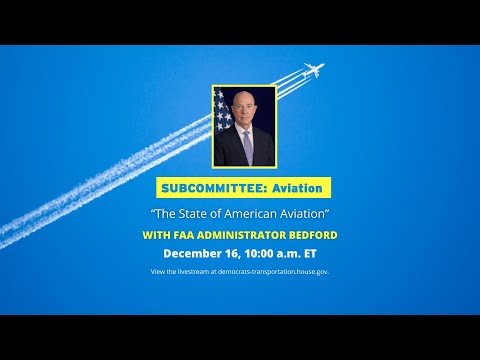
FAA vows not to "go back" on DCA safety measures as lawmakers question NDAA exemptions
Summary
In a hearing focused on the January DCA mid‑air collision, Administrator Bedford said the FAA will maintain post‑crash mitigations and that the agency was not consulted on an NDAA provision some members say would reintroduce operational exceptions near DCA.
Lawmakers used the Subcommittee's first FAA oversight hearing of the year to press the agency about safety changes after the January mid‑air collision near Reagan National Airport that killed 67 people.
Administrator Bedford opened by acknowledging the tragedy and listing immediate safety actions the FAA took: permanently restricting nonessential helicopter operations near DCA, closing certain helicopter routes, eliminating some visual‑separation procedures, and requiring ADS‑B Out broadcasts in much of the Capital Region's airspace.…
Already have an account? Log in
Subscribe to keep reading
Unlock the rest of this article — and every article on Citizen Portal.
- Unlimited articles
- AI-powered breakdowns of topics, speakers, decisions, and budgets
- Instant alerts when your location has a new meeting
- Follow topics and more locations
- 1,000 AI Insights / month, plus AI Chat