House Energy and Commerce Subcommittee opens hearing on EPA PFAS designation and brownfields liability
Loading...
Summary
The House Energy and Commerce Subcommittee on Environment opened a hearing to examine EPA’s designation of PFOA and PFOS as hazardous substances under CERCLA and whether resulting liability risks could deter brownfield redevelopment and harm passive receivers.
The House Energy and Commerce Subcommittee on Environment opened a hearing focused on the Environmental Protection Agency’s decision to list two PFAS chemistries—PFOA and PFOS—as hazardous substances under the Comprehensive Environmental Response, Compensation, and Liability Act (CERCLA), and on how that designation might affect brownfield redevelopment and entities that did not manufacture or use the chemicals directly.
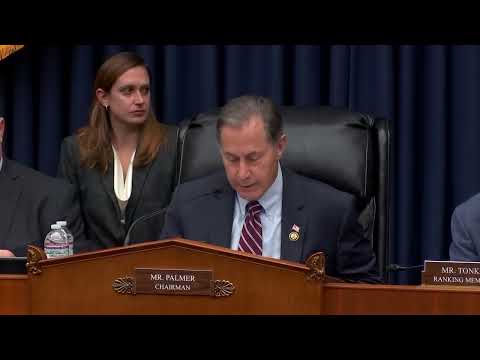
The subcommittee chair said the panel aims to assess the implications of the EPA action, noting CERCLA’s strict joint-and-several liability can assign full cleanup costs to a party even if its contribution to contamination was minor. "Today, we're examining EPA's decision last year to designate PFOA and PFOS chemistries ... as hazardous substance under the Comprehensive Environmental Response, Compensation, and Liability Act, also known as CERCLA," the chair said in opening remarks, framing the inquiry around potential gaps in liability protections for so-called passive receivers.
Why it matters: Subcommittee members framed the question as one of economic redevelopment and legal exposure. The chair cited the estimated 450,000 brownfield sites nationwide and warned that uncertainty around PFAS liability could deter reuse for housing, power generation, semiconductor manufacturing and data-center projects. The hearing will consider whether existing defenses in CERCLA—such as protections for bona fide prospective purchasers and innocent landowners—adequately shield owners and redevelopers who acquired properties without causing PFAS contamination.
The chair also referenced implementation issues in other statutes, saying shortcomings in the Toxic Substances Control Act had, in the chair’s view, delayed newer and safer chemistries reaching consumers. He noted Congress has previously adjusted liability protections, citing the Small Business Liability Relief and Brownfields Revitalization Act of 2002 as a precedent for legislative fixes.
Witnesses scheduled to appear include Susan Bodine, who served as EPA assistant administrator for the Office of Solid Waste and Emergency Response and later for Enforcement and Compliance Assurance; Lawrence Falby, chair of the International Council of Shopping Centers' Environmental and Land Use Policy Committee, who will discuss commercial real estate transaction implications; Emily Donovan, cofounder of the grassroots group Clean Cape Fear, representing community concerns; and Tracy Meehan of the American Water Works Association, bringing a water-sector perspective. The chair asked the panel and witnesses to explore whether the EPA designation and current liability regime are deterring redevelopment and what legislative or regulatory adjustments, if any, would be appropriate.
The hearing opened with those remarks and introductions; the subcommittee is set to proceed into witness testimony and member questioning.