
Freestone commissioners repeal local alcohol-fee ordinance, approve routine minutes and appointments
Get AI-powered insights, summaries, and transcripts
Subscribe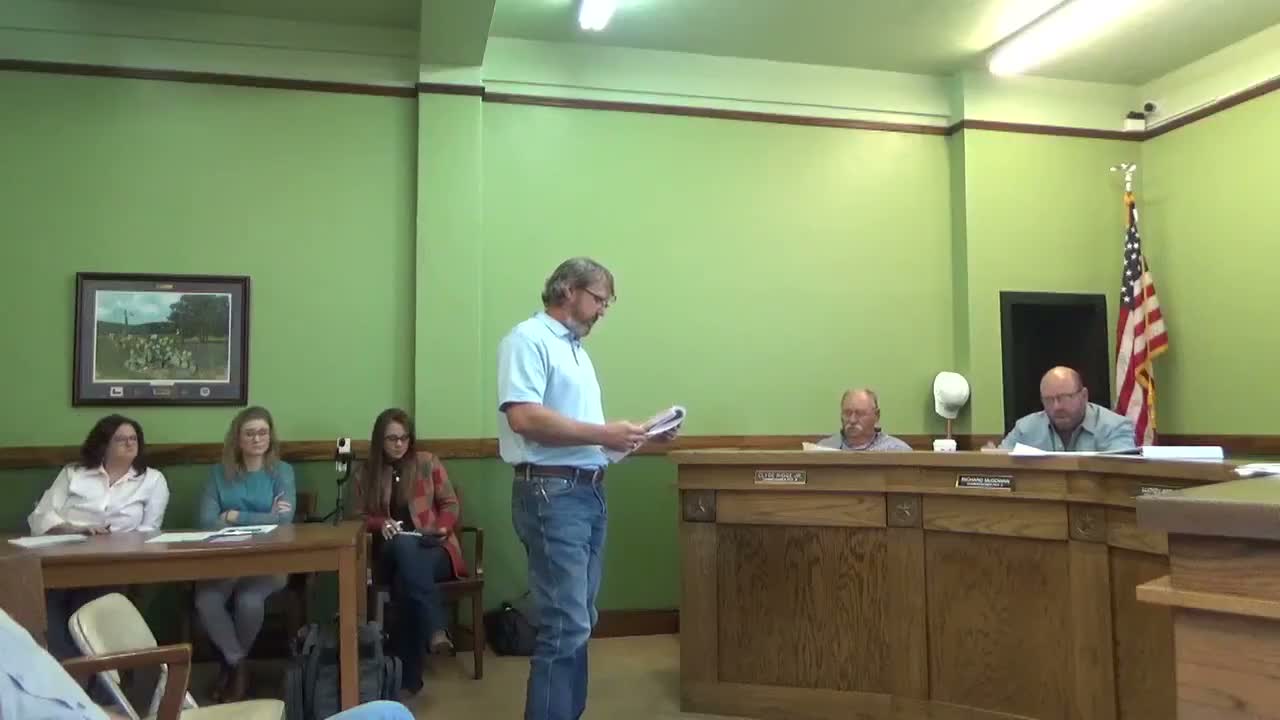
Summary
At its Jan. 7 session the Freestone County Commissioners Court voted to repeal a local ordinance that collected additional alcohol-license fees after staff said state law limited collections, approved minutes and routine contracts, and reappointed emergency management coordinator Jimmy Smith.
Freestone County commissioners voted on several routine items at the Jan. 7 Commissioners Court meeting, including repeal of a local ordinance that had collected a portion of alcohol-license fees.
A county staff member explained that a recent state law change—cited in the meeting as "Senate Bill 1008," effective Sept. 1, 2025—prohibits local governments from charging duplicative local alcohol-permit or license fees to food-service establishments that already pay state or other local fees. The staff presentation described two Texas Alcohol Beverage Code provisions included in the packet and recommended repealing the county ordinance. The court moved, seconded and "motion carried" to abolish the ordinance.
In other business the court:
- Approved minutes of the Dec. 17, 2025 and Dec. 30 meetings. - Renewed the Jabs maintenance/support agreement for courtroom audio recording (one-year renewal; cost about $116 more than last year). - Approved disposal/recycling of four obsolete AED units and five batteries; the vendor will accept the units at no fee if the county pays shipping and provides a disposition manifest. - Reappointed Jimmy Smith as the county's emergency management coordinator.
Why it matters: Staff told the court that state law changes limit the county's discretion to collect certain local fees, prompting the repeal. Commissioners emphasized following state guidance to avoid legal exposure. Residents later used the public-comment portion of the meeting to press the county on unrelated energy projects.
What’s next: Staff will publish the repeal action, update fee procedures and continue to work with residents and developers on project-specific questions. The court recorded motions and directed follow-up administrative tasks for contract execution and equipment disposition.