
Developers present 'Lakeview at White Oaks' concept: 150 units, neighborhood retail, design questions raised
Get AI-powered insights, summaries, and transcripts
Sign Up Free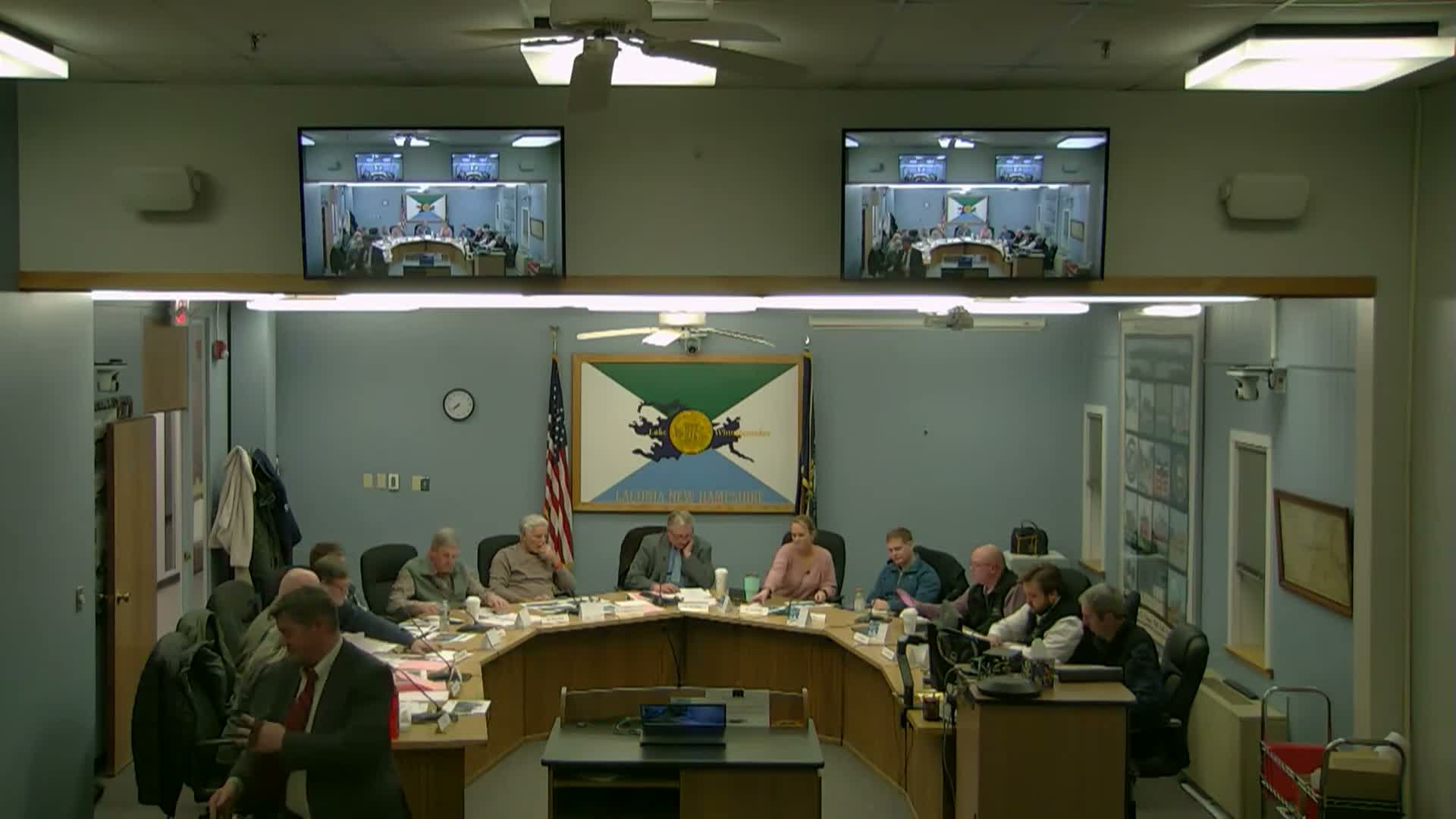
Summary
Developers presented a conceptual mixed‑use plan for the former surf coaster site called "Lakeview at White Oaks," proposing about 150 residential units, ~6,500 sq ft of neighborhood retail and phased buildout; board members raised concerns about stormwater, traffic/egress, parking and year‑round access.
Developers on Jan. 6 presented a conceptual master plan for Lakeview at White Oaks, a mixed‑use redevelopment of the former Surf Coaster site that would mix single‑family homes, townhouses and smaller multifamily buildings, plus neighborhood retail and open space.
Applicant John Cronin and designer Justin Kiernan described a stepped plan that leverages the site’s 100‑foot change in elevation to maximize lake views and provide varied building types. The concept shown to the planning board called for approximately 150 residential units, about 6,500 square feet of neighborhood‑serving retail, four distinct building types (Hampshire cottage, Vista single family, lookout townhouse and terrace house) and phased construction. Designers said they anticipate up to roughly 379 parking spaces overall (a mix of garage, surface and street spaces) and discussed three street types including a pedestrian‑oriented 'Lakeview Row.'
Board members asked about traffic and access to Endicott and White Oaks Road, stormwater and drainage control on steep grades, school bus access for year‑round residents, phasing and whether streets would be private or public. The team said the project would go through the performance‑based zoning and Technical Review Committee processes, that public‑road standards would apply unless a waiver is sought, and that detailed engineering (grades, traffic, stormwater) would follow in the TRC stage.
Designers estimated full build‑out could house roughly 275 residents (assuming ~1.8–2 persons per unit) and acknowledged the plan requires detailed engineering because of steep slopes. Members urged careful stormwater planning and preservation of mature trees to help retention. Several members asked the applicant to coordinate with Public Works and the city on possible adjustments to nearby intersections, and at least one member requested a site walk once engineering and the packet are further developed.
What’s next: The planning board provided conceptual feedback and asked staff to schedule a TRC review and a future site walk; the applicant will advance to entitlement and technical review steps, where detailed traffic, grading and stormwater engineering will be required.