New operator JAG Marine Group outlines safety record and rapid ramp‑up at Ketchikan Shipyard
Loading...
Summary
JAG Marine Group representatives told the borough assembly that shipyard utilization and awarded work have increased since the operator change, with JAG reporting strong safety performance (TRIR 0.42 in 2024), current local headcount of about 110–120, and plans to expand workforce and training partnerships.
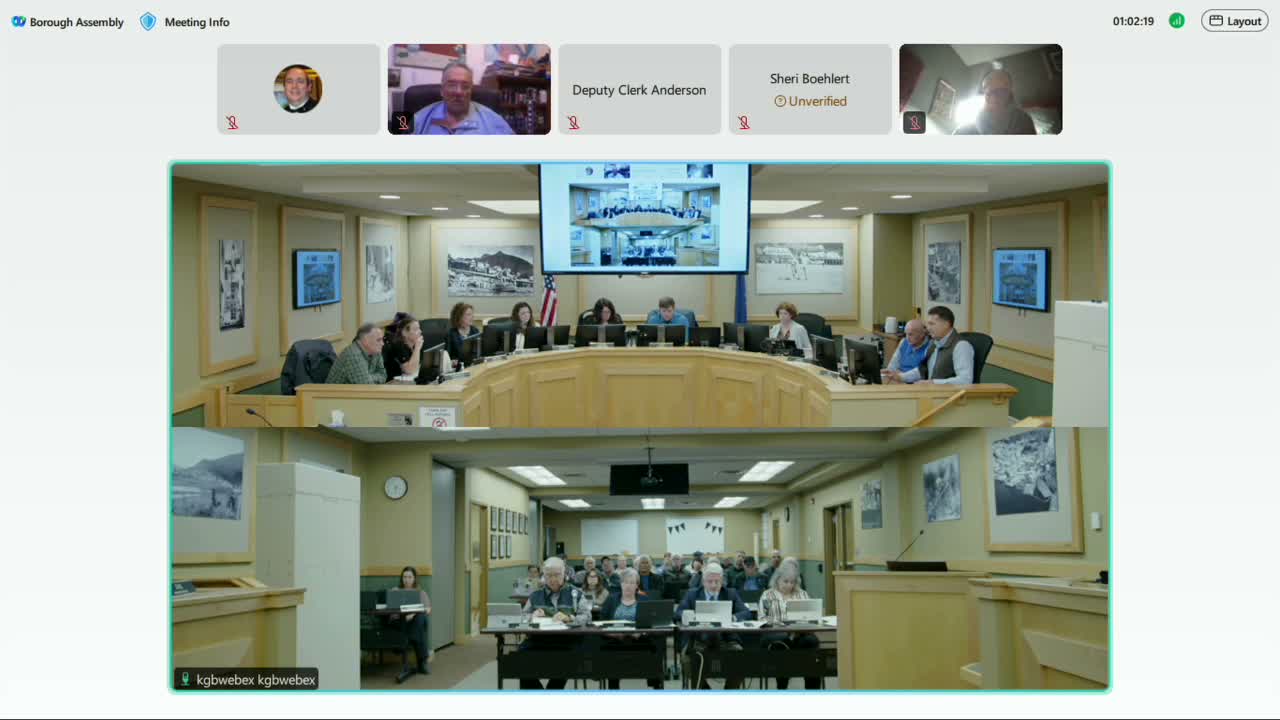
Representatives of JAG Marine Group gave the Ketchikan Gateway Borough Assembly an operations update on Dec. 1 after taking over the Ketchikan Shipyard earlier in 2025.
Bergen Wheeler, general manager at JAG Ketchikan, said JAG has already brought NOAA vessels and other projects into the yard, which has driven utilization higher and generated near‑term revenue. He highlighted JAG’s safety record, noting a 2024 TRIR (total recordable injury rate) of 0.42, and stressed safety, quality of workmanship, on‑time delivery and local workforce development as operational priorities.
Wheeler said JAG’s current headcount in Ketchikan is roughly 110–120 employees with peak winter staffing expected to be 150–175. He described a mix of local hires and transient skilled workers and said the company is actively recruiting locally, partnering with vocational and welding programs, and exploring bunkhouse and multi‑tiered housing solutions for transient workers.
Wheeler told the assembly the company has already been awarded complex projects, including repower and midlife extension work, and that JAG expects utilization and awarded work to grow through 2026–27. He said some projects were successfully transitioned to Ketchikan that previously would have been done in Seward once the Ketchikan yard was operational under JAG.
Assembly members asked about sustainment of the growth and local hiring commitments; Wheeler said the market for maritime repairs and NOAA/coast‑guard work supports a sustainable business pipeline but acknowledged that some specialized trades will arrive as transient hires while the company builds a local pipeline.
The presentation underscored workforce and housing challenges: borough staff and assembly members noted opportunities for advocacy and partnership to help JAG secure housing and training pipelines for new hires.
What’s next: JAG representatives encouraged local residents and tradespeople to contact the shipyard about employment and to partner on training opportunities; the shipyard and borough staff will coordinate on housing and workforce needs.