Downtown business owners and tribal leaders clash over warming shelter’s local impact
Loading...
Summary
Local business owners told the borough assembly they feel unsafe when people from an overnight warming shelter gather outside downtown storefronts; Ketchikan Indian Community leaders defended the shelter, outlined security steps and asked the city and borough to provide services such as open bathrooms and lighting.
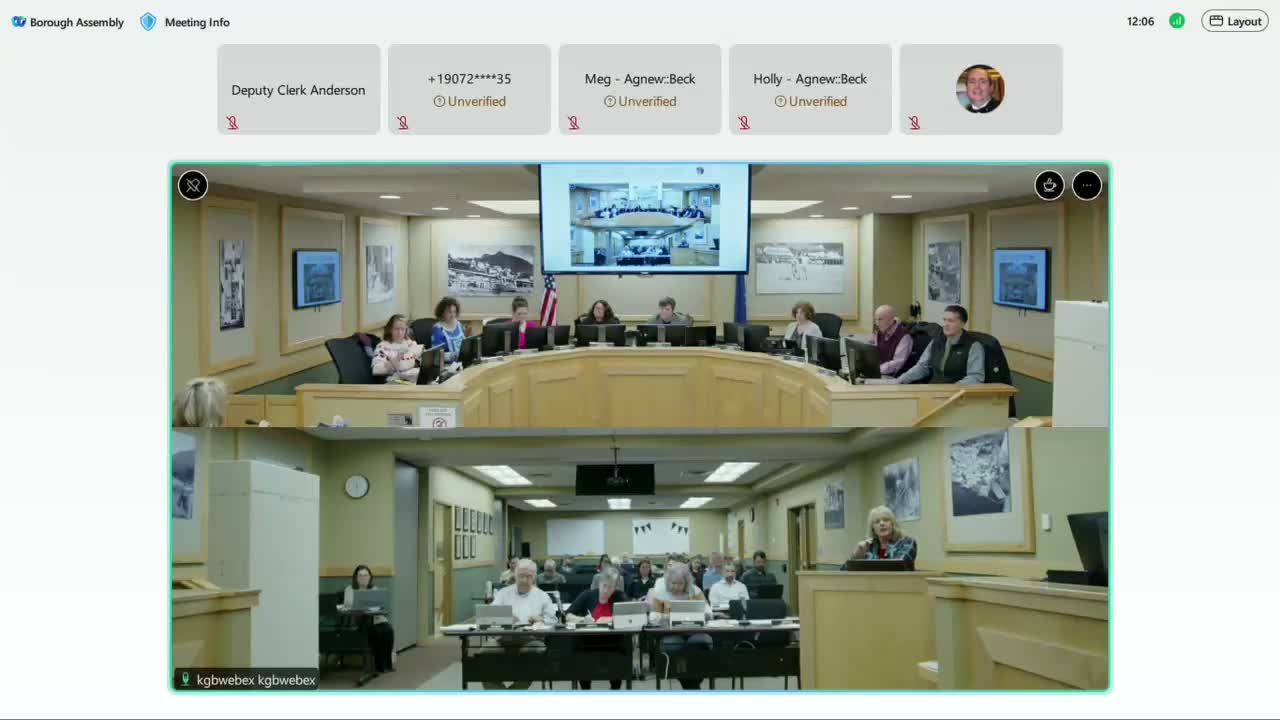
Several downtown business owners and community volunteers urged the Ketchikan Gateway Borough Assembly on Dec. 15 to help address safety and sanitation issues near an overnight warming shelter, while tribal leaders and shelter operators defended the program and asked for partnership.
"Their businesses are being trashed," resident Darlene Delmont Svensson told the assembly, saying women entrepreneurs in the downtown core feel unsafe with people congregating at storefronts and that some business owners have tried and failed to get assistance from the shelter operator and police. Svensson asked the borough to coordinate with Ketchikan Indian Community (KIC) and the Ketchikan Police Department to provide crowd-control support and additional security measures.
Assemblymember Arntzen and others acknowledged the concern and urged residents to report crimes to state representatives and police so that incidents can be documented and elevated for help. Assemblymember Dowell described a broader policy question about siting "high-risk" shelters downtown and suggested such facilities may be more effective away from the commercial core.
KIC President Gloria Burns said the tribe opened the warming center to keep people alive and that KIC provides security staffing and other supports. Burns told the assembly KIC has roughly nine security staff, a finance and planning structure backing the program, and long-range plans for supportive housing. "Taking away the bathrooms and then expecting people to be clean is not realistic," she said, urging the borough and city to provide restroom access and to join KIC’s efforts.
Emily Eden Shaw, KIC tribal administrator, said she has responded to many complaints and asked the city and borough to "work with us, walk with us," noting that about 300 people in the community are unhoused and that immediate collaboration could save lives.
A volunteer who works at the Lord’s Table soup kitchen, Sofia Pilgrim, urged volunteers to meet people where they are and suggested near-term safety measures such as better lighting and open bathrooms as practical steps the borough could take to reduce tensions.
The assembly did not take formal action at the meeting but heard staff and members say they will pursue coordination opportunities. The planning and police liaison work referenced by assembly members will likely be the next procedural steps.