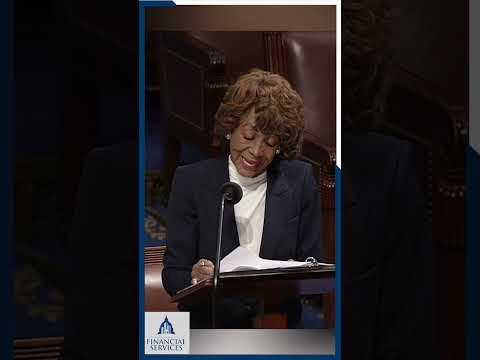
Unidentified House speaker denounces GOP resolution as a ‘‘distraction,’’ urges colleagues to vote no
Get AI-powered insights, summaries, and transcripts
SubscribeSummary
An unidentified speaker on the House floor criticized a Republican resolution denouncing socialism as a political diversion from urgent economic issues, cited poll figures and programmatic impacts, and urged colleagues to oppose the measure; no vote result is recorded in the transcript.
An unidentified speaker on the House floor urged colleagues to reject a Republican resolution denouncing socialism, calling the measure an "embarrassing distraction" from what they said are pressing economic problems facing Americans.
The speaker argued the House should be focused on lowering grocery and housing costs and addressing what they described as damaging Trump administration policies. "This resolution is an embarrassing distraction from the complete and total failure of the Trump administration to deliver actual results for the American people," the speaker said, adding that Republicans have "chosen once again to advance a resolution under the guise of denouncing socialism."
The speaker cited public-opinion figures to support the criticism, saying "61% of American[s] say that Trump's policies have worsened economic conditions" and "64% of Americans say Trump policies are raising the prices of food and groceries." They also said longstanding programs such as Social Security, Medicare, Medicaid and the Affordable Care Act should not be undermined by labeling them "socialist," arguing those programs provide basic food and care for many families.
Turning to recent federal actions, the speaker criticized the administration's handling of the government shutdown, saying House Republicans "gave themselves a paid 2 month vacation" while federal employees faced uncertainty and "42,000,000 Americans nearly lost their food assistance." The speaker further accused the administration of challenging the use of legally available funds in the Supreme Court, weakening the Consumer Financial Protection Bureau and eliminating an office at the Community Development Financial Institutions Fund that served rural and struggling communities.
On health care, the speaker asserted that 22,000,000 Americans could see monthly premiums double and that up to 5,000,000 people could lose insurance under Republican proposals, using those figures to question the GOP approach to coverage affordability.
The statement also included allegations about corporate pressure and national-security trade decisions: the speaker named companies including Intel, US Steel, MP Materials, Lithium Americas and Trilogy Metals and said the administration had demanded they "hand over" unspecified assets or privileges. The speaker framed those points as evidence of what they called a double standard when the administration acts in ways they likened to authoritarian governments.
The speaker criticized the resolution for selective condemnation, saying it denounces historical figures such as Joseph Stalin and Mao Zedong but, in their view, does not sufficiently condemn other modern actors singled out in the remarks. The speaker also referenced recent comments they attributed to President Trump and social media activity, saying Trump had called political opponents seditious and "reposted a post saying, 'hang them.'"
The speaker accused the Trump family of profiting from cryptocurrency activity while ordinary Americans struggle, saying the family has become "more than $1,000,000,000 richer from crypto alone" since taking office. They also cited what they described as extravagant spending and international assistance — including a referenced $40,000,000,000 payment to Argentina and social events at Mar-a-Lago — to underscore their point about misplaced priorities.
Closing the remarks, the speaker said, "This resolution is a huge waste of time and does not absolutely nothing to lower cost or solve any of the problems that our country faces. I urge my colleagues to vote no on this resolution," and reserved the balance of their time. The transcript does not record a vote result or identify the speaker by name.
Context and next steps: the remarks appear to be a floor statement opposing a resolution; the speaker repeatedly framed the resolution as political theater rather than policy. The transcript records the call to "vote no" but does not record whether a vote occurred during the same session.