Get Full Government Meeting Transcripts, Videos, & Alerts Forever!
Get email alerts on the Code Enforcement topic
No spam. Unsubscribe anytime.
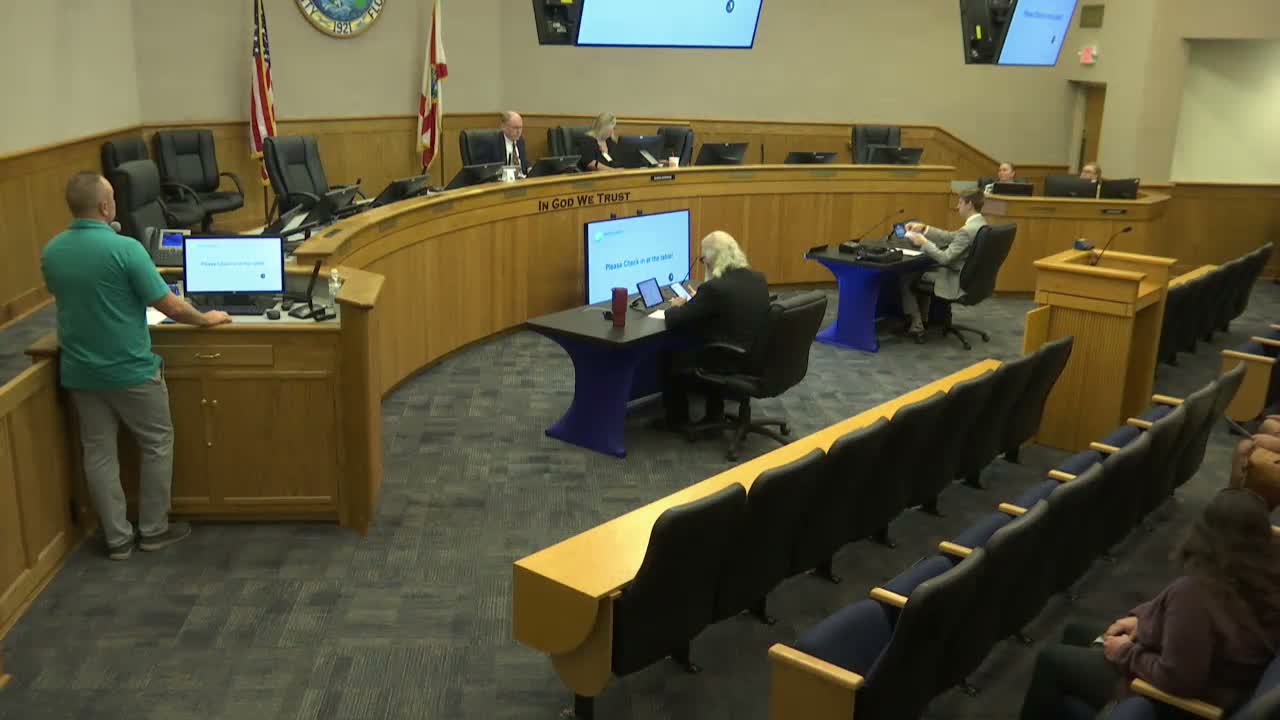
Magistrate imposes fines, 2-year cease-and-desist orders after Charlotte County code-enforcement hearing
Summary
At an April 3, 2025 Charlotte County special magistrate hearing, the magistrate imposed one-day fines and ongoing per-day penalties, set 15–30 day compliance deadlines for dozens of properties and issued two-year cease-and-desist orders for repeat zoning or maintenance violations.
A Charlotte County special magistrate hearing on April 3, 2025, resulted in fines and compliance orders for dozens of properties across the county. The magistrate opened the session at 9 a.m., heard county officers present photographic evidence of exterior maintenance and permitting violations, and entered written orders setting deadlines and daily penalties for noncompliance.
The county's case frequently relied on property inspections that found outside storage, unpermitted structures or repairs, damaged roofs, collapsed sheds and other conditions that officers said created “junk-like” or unsafe conditions. Tracy Jewell, a Charlotte County compliance officer, said of one case taken directly to hearing that the property was handled as a “recurring offender” after prior enforcement ("This case is being taken directly to hearing as a recurring offender.") and offered photographs into evidence.
In several consent-agenda matters the magistrate assessed a one-day fine of $70 where the county showed the order had not been complied with. For example, the magistrate ordered a $70 fine in the case involving Raul Salcedo (case COD2302330) after county testimony that an unpermitted rear-yard structure remained. The magistrate repeated the procedural point that these hearings do not relitigate the underlying violation and advised respondents to work with county staff for remedy.
For other matters the magistrate imposed compliance deadlines and daily penalties if violations continued. Typical orders gave property owners 15 or 30 days from the date of the order to bring properties into compliance; failure to do so can trigger fines of $50–$100 per day and abatement with costs added. Owners found to have recurring violations were frequently issued a two-year cease-and-desist order; the magistrate explained that if county inspectors observe substantial improvement within the compliance period staff will ordinarily work with owners to resolve matters ("If they see substantial improvement over the period of time that you're given, they'll probably work with you.").
Several case examples from the hearing illustrate the orders issued:
- COD2302106 (1134 Yorkshire St., owner Guy Mario Charles): Officer Savannah Teague testified that violations and expired permits remained; the magistrate imposed a one-day fine of $70 and advised the owner to consult the building department to resolve permits.
- COD2302954 (4134 Hollis Ave., owners Jason Cott and Joan Kunstman): County testimony said the demolition permit remained in expired status despite the owners' contention the property had been cleared. The magistrate issued a $70 fine and directed owners to the building department to correct permit status.
- COD2500063 (23289 Nancy Ave., owner Colleen Marie O'Connor): The officer testified the property had recurring outside-storage violations; a final inspection showed the property cleared, but the county requested and the magistrate issued an order including a 15-day compliance window, a $100-per-day penalty for renewed violations, and a two-year cease-and-desist for repeat zoning violations.
- COD2500293 (257 Stebbins Terrace, owners William and Ted Bailey): Officer Paul Davis testified to inoperable and unregistered vehicles and prohibited use of the property. The magistrate found the violations proven, issued 15 days to comply with $50/day penalties thereafter, and told the owners to coordinate with the officer if they show progress on fencing or vehicle removal.
Many other new-business cases were handled in the owners' absence. Where respondents did not appear the magistrate accepted officer testimony and issued orders giving the standard compliance window (most commonly 30 days), daily fines for continued violation, and two-year cease-and-desist orders for repeat violations; officers offered photographs and inspection reports as county composite exhibits in these cases.
The hearing also included administrative actions: the magistrate announced continuances for some matters and dismissed three cases during agenda changes. The magistrate closed by approving consent-agenda items as presented and setting the next hearing for May 7, 2025.
The orders issued at the April 3 hearing direct owners either to correct cited violations within the stated deadlines or face escalating fines and potential abatement; county staff contact was repeatedly recommended to confirm what specific permits or repairs are required. The magistrate encouraged owners to show progress to inspectors to avoid further penalties.