Parish council overturns zoning denial for Lacombe parcel after developer drops density, introduces S1 ordinance
Loading...
Summary
After months of neighborhood pushback, the council voted unanimously to overturn a zoning commission denial and introduced an ordinance to rezone a 22.32-acre Lacombe tract from its prior request to S2 to a reduced S1, following a developer compromise and sustained public concern about traffic and drainage.
The St. Tammany Parish Council voted to overturn a zoning commission denial and introduced an ordinance to rezone a 22.32-acre parcel in Lacombe to S1 (suburban residential) after the applicant agreed to reduce the project’s density.
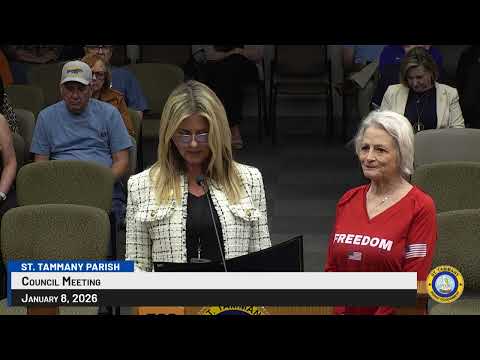
The action follows months of community meetings and public comment. Paul Marrone, attorney for appellant Calvin Minor Jr., told the council the applicant had amended the request from S2 to S1 as a compromise: “we are willing to formally amend our request from S2 down to S1,” Marrone said. Residents told the council they feared more traffic and worsening drainage at a dangerous intersection on Highway 190.
Why it matters: The change reduces the site’s likely lot count by roughly 25 lots, from an estimated 75 under the original S2 request to about 50 under S1, a difference proponents said makes the plan more compatible with nearby subdivisions but which opponents said still represents a large increase in density for the area.
What supporters said: Marrone and the applicant cited prior development patterns to argue the site is appropriate for limited suburban development and said required drainage and traffic studies would be performed. Marrone said the compromise reflected community input and a willingness to meet parish requirements.
What opponents said: Neighbors described the area as rural with large lots and warned that new houses would add an estimated 100–150 vehicles daily to local roads, worsen erosion, and strain Magnolia Water and local drainage infrastructure. “This is a remote rural area with large lots…this is going to be a huge eyesore at a very dangerous intersection on Highway 190,” one resident said.
Council action and procedure: After discussion about whether the council could amend density on the floor during an appeal, the council voted to overturn the zoning commission’s denial and then to introduce an ordinance to reclassify the property to S1. The council recorded the motion as unanimous.
Next steps: Introducing the ordinance starts the formal ordinance process; any final rezoning would require future readings and additional public notice. If the ordinance proceeds, staff said required traffic and drainage studies and plan-level mitigation would be conditions of future permitting.
Reporting note: Residents and developers disagreed on practical effects and on how quickly required infrastructure improvements could follow any approval.