
Nevada pursues new benefits, specialty plan and waivers to comply with DOJ settlement on children’s behavioral health
Get AI-powered insights, summaries, and transcripts
Sign Up Free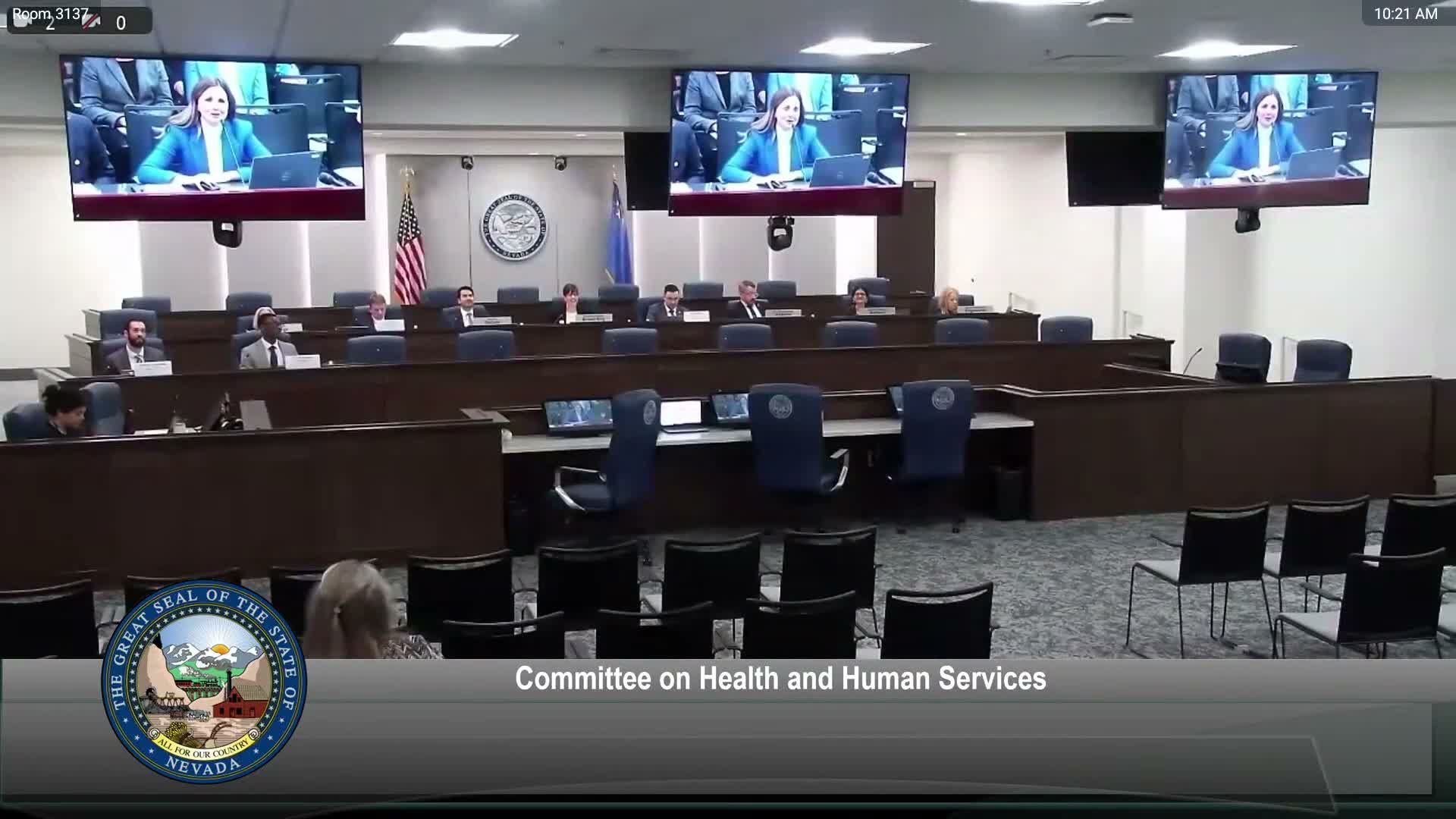
Summary
NVHA and Nevada Medicaid described efforts required by a Department of Justice settlement to reduce unnecessary institutionalization of children with behavioral-health conditions, including new Medicaid benefits, rate increases, a specialty managed‑care plan and licensing and inspection reforms for PRTFs. Officials said many state plan amendments and waivers are pending CMS approval and singled out 01/01/2027 as a target for some delivery‑system changes.
Nevada Health Authority and Medicaid officials told the interim committee they are implementing a three‑pronged strategy tied to a Department of Justice settlement that found excessive institutionalization of children with behavioral‑health needs. The strategy includes (1) adding missing Medicaid benefits and submitting state plan amendments, (2) increasing rates for specific providers (PRTFs, individual and family therapy) and (3) creating a specialty managed‑care plan and delivery system to ensure in‑network services and coordinated wraparound supports.
"The settlement agreement really outlines a set of services that we have to stand up in Medicaid and cover," Weeks said. Anne Jensen, Medicaid administrator, said some benefits such as family and youth peer supports have already been approved by CMS, while many rate increases and new benefits are still pending review and amendment by CMS. Jensen said she could confirm the total count of children in specialty placements as of Jan. 1 — "330 children in total, and of those, I believe it's about 40 that are out of state" — and promised to provide updated, written data.
On delivery system changes, Weeks said the state has issued a procurement for a specialty managed‑care plan to coordinate services for this population, with an effective target date of Jan. 1, 2027 pending federal authorities. The agency also said it would take a hard look at PRTF licensing, inspections and clinical oversight after recent facility concerns, and would pursue stronger enforcement when facilities fail to meet requirements.
Lawmakers asked about assessment timelines, out‑of‑state placements and how families will receive services if federal approvals are delayed. Jensen said the state is tracking time from assessment billing to service initiation and that data recently shows some improvement, but she cautioned the assessment process itself is not yet standardized and more work remains. Weeks and Jensen urged continued collaboration with counties and providers to accelerate CMS approvals and operationalize the specialty plan.