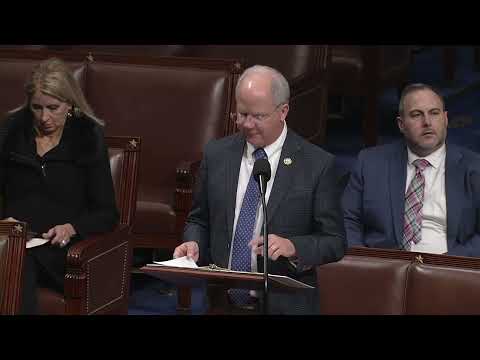
Lawmaker urges support for H.R. 498, the "Do No Harm in Medicaid Act"

U.S. House of Representatives · December 18, 2025

Get AI-powered insights, summaries, and transcripts

Subscribe
AI-Generated Content: All content on this page was generated by AI to highlight key points from the meeting. For complete details and context, we recommend watching the full video. so we can fix them.

Summary

An unnamed member of Congress spoke on the House floor in support of H.R. 498, saying it would bar federal Medicaid funding for specified gender transition procedures and citing a CBO estimate of $445 million in savings over 10 years; the transcript's age phrasing was unclear.

An unnamed member of Congress rose on the House floor to urge colleagues to support H.R. 498, the "Do No Harm in Medicaid Act," saying the measure would bar federal Medicaid funding for certain gender transition procedures and help curb what the speaker called medically unnecessary spending.

The lawmaker framed the bill as a taxpayer-protection measure, saying "our valuable and finite tax dollars should not continue to fund medically unnecessary care under the Medicaid program" and linking the proposal to earlier Republican efforts to reduce waste, fraud and abuse. The speaker also tied the legislation to work on the Working Families Tax Cut Act aimed at strengthening benefits for expectant mothers, children, seniors and people with disabilities.

The speaker described the bill as prohibiting "federal funding ... going towards specified gender transition procedures, for individuals 18." The transcript’s wording about the age or exact scope of that prohibition is unclear; the age range or precise statutory language is not specified in the transcript. The speaker characterized those procedures as "medically unnecessary" and said the bill would limit Medicaid coverage of those procedures.

Citing the Congressional Budget Office, the speaker said, "CBO estimates that this bill would save taxpayers $445,000,000 over a decade." The speaker added that the measure "does not, in any way, prevent minors from accessing medical care that they truly need," a clarification presented as part of the bill’s intent in the speech.

No formal motion, amendment text, or recorded vote appears in this transcript excerpt; the speaker concluded by asking colleagues to support the bill and reserving his time. Further details on the bill’s statutory language, the specific procedures referenced, and the precise age range were not provided in the transcript and would require consulting the bill text or committee materials for confirmation.