Get Full Government Meeting Transcripts, Videos, & Alerts Forever!
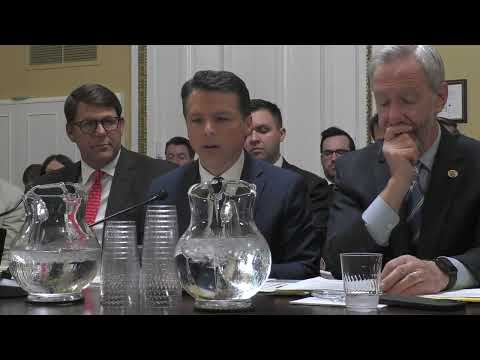
Unidentified speaker cites CBO saying tax-health bill would cut Medicaid, Medicare and leave about 14 million without coverage
Summary
An unidentified speaker cited new Congressional Budget Office figures, saying the bill would enact the largest Medicaid cuts in U.S. history, reduce Affordable Care Act coverage and impose more than $500 billion in Medicare cuts, arguing the measure mainly benefits the top 1% and urging rejection.
An unidentified speaker, listed in the transcript as "Speaker," warned that a large tax-and-health bill would ‘‘truly hurt working Americans’’ and cited new Congressional Budget Office findings that the measure would sharply reduce health coverage.
The speaker said CBO projections show the bill combines what they called the largest cut to Medicaid in American history with major reductions to the Affordable Care Act and a…
Already have an account? Log in
Subscribe to keep reading
Unlock the rest of this article — and every article on Citizen Portal.
- Unlimited articles
- AI-powered breakdowns of topics, speakers, decisions, and budgets
- Instant alerts when your location has a new meeting
- Follow topics and more locations
- 1,000 AI Insights / month, plus AI Chat