Get Full Government Meeting Transcripts, Videos, & Alerts Forever!
Get email alerts on the Consumer Concerns topic
No spam. Unsubscribe anytime.
Consumer speakers pressed PURA on bill volatility and CEO compensation during RAM technical meeting
Summary
During the same January 2026 PURA technical meeting, consumer representatives asked whether customers receive interest when utilities overcollect and raised concerns about executive pay; utilities explained reconciliation and that CEO pay is largely not charged directly to rates.
A brief public comment portion during the PURA technical meeting highlighted consumer frustration about bill volatility and corporate compensation.
Camille Thomas, who identified herself as a consumer and member of a nonprofit (NAG), asked whether consumers receive interest when utilities overcollect and noted a public figure she said for a CEO's compensation: "the CEO makes $20,000,000 annually." The question prompted an explanation of the reconciliation process and how compensation is treated for ratemaking.
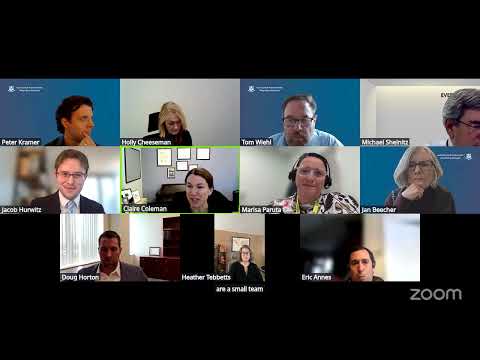
Doug Horton, senior vice president at Eversource, answered that when utilities overcollect the reconciliation mechanism returns amounts to customers with carrying costs and said, "The answer to that one's simple ... The answer is yes." He further explained that regulators scrutinize which components of employee compensation are included in rates, that the large headline figure cited for a parent-company CEO is allocated across a corporate group, and that only a portion (if any) of executive pay is included in rates for a given operating company and must be approved in a rate case.
Consumer advocates at the meeting reiterated the need for clearer public education on how RAM adjustments and reconciliation work, and for better notice to low-income customers who may face difficulty absorbing temporary bill swings. Commissioners and utility representatives agreed that improved consumer outreach and clearer disclosures about timing and likely effects of adjustments would be useful.
No formal action followed from the public comment; commissioners encouraged submission of written questions or follow-up requests and noted the commission would continue considering procedural reforms in the RAM dockets.