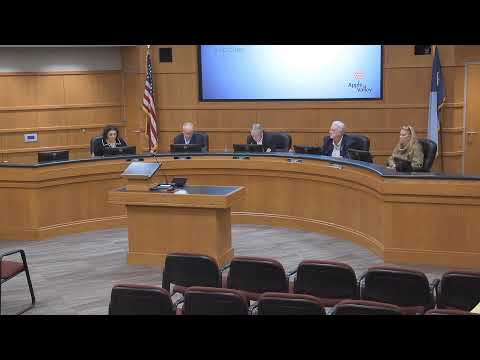
Apple Valley council adopts comp-plan amendment amid resident opposition to potential data center
Loading...
Summary
After extended public comment opposing a proposed AI/data center, the Apple Valley City Council voted to amend its 2040 comprehensive-plan land-use map for two Fraser Addition parcels to commercial and forward the amendment to the Metropolitan Council for consideration.
The Apple Valley City Council on Jan. 8 adopted a resolution to amend the city’s 2040 comprehensive-plan land-use map for two parcels in the Fraser Addition, changing 2.19 acres and 1.21 acres from residential designations to commercial and authorizing staff to submit the amendment to the Metropolitan Council for review.
The change was presented by city staff (Sydney), who described the amendment as a “housekeeping” item to align land-use guidance with existing limited business zoning and a pending purchase agreement for a city-owned parcel. Sydney said traffic and utility reviews found no engineering concerns and that any specific development proposals would face separate review. “Staff is recommending that the council adopt a resolution to approve the amendment for both properties,” Sydney said during the presentation.
The item drew multiple hours of public comment. Residents repeatedly urged the council to pause or oppose rezoning that they said could facilitate a large AI/data center. Christina Gasparian urged the council to oppose the 2024 comprehensive-plan change, saying, “I really have to urge you to oppose 2024 comprehensive plan that includes building a data center for AI purposes.” Residents expressed similar concerns about strain on water and electrical systems, potential increases in utility rates, noise and effects on property values.
Several speakers said they had not been made aware of the proposal until recently and called for more outreach. Nancy Speaker, a long-time resident, said transparency about the proposal was lacking and that locating a large industrial facility near residential areas would be a poor fit. Patrice Seifert urged the council to think about the city’s future image and promotional materials, saying a data center would not attract new residents in the way parks, restaurants and schools would.
An unidentified resident noted Planning Commission member Doug Halloss was present and said the Planning Commission had examined the application for more than a year and, at its December meeting, had recommended rejection (reported in the public comment as a unanimous recommendation). Council and staff reiterated the process: the planning commission makes a recommendation to the council, and the council then decides whether to adopt comprehensive-plan changes and forward them to the Metropolitan Council for final review.
Following the presentation, Council member Melander moved to adopt the resolution and Council member Bergman seconded. The council approved the resolution by voice vote; the mayor called the motion adopted. The council’s action changes the city’s land-use guidance and forwards the amendment to the Metropolitan Council, which will consider the submission as part of its statutory review process.
What happens next: adoption of the amendment by the council is a policy step that sends the change to the Metropolitan Council for official consideration; any future development proposal on the parcels would require separate land-use and development reviews, including traffic, utilities and potential site-specific conditions. The council noted state statutory timelines limit deliberation windows for planning applications and that the applicant had granted an extension to allow the council time to act.
Authorities and procedural notes: the council’s action updates the 2040 comprehensive plan (the city’s guiding policy document) and will be submitted to the Metropolitan Council for review. City staff emphasized the statutory review timeline that governs local action on planning applications.
Ending: The council’s vote advances the land-use change; residents who oppose potential data-center development said they expect to press the city for stricter siting controls and additional outreach during subsequent review stages.