Long Beach awards contract for citywide digital kiosk network to Ike Smart City
Loading...
Summary
Council approved a contract with Ike Smart City to deploy up to 50 digital kiosks across Long Beach in two phases, with vendor‑funded capital costs and a revenue‑share/minimum guarantee to generate new ongoing city revenue and provide local ad inventory and small‑business discounts.
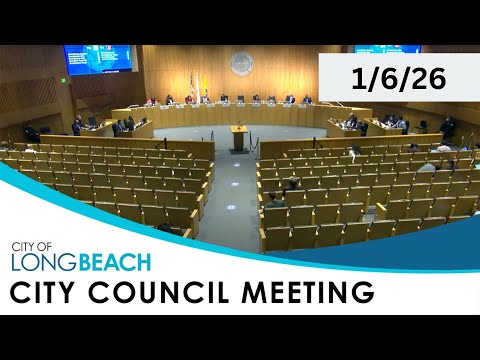
The City Council voted Jan. 6 to award a contract to Ike Smart City to design, deploy and operate a digital kiosk network of up to 50 units citywide, implemented in two phases of 25 kiosks each, with an initial focus on downtown Long Beach.
Key terms: Ike Smart City will advance all capital and operating costs and will reimburse those costs from advertising revenue. The city will receive either a minimum annual guarantee of $10,000 per kiosk or 30% of net advertising revenue — whichever is greater — with scheduled escalators every five years; the vendor will increase the city's share to 40% if per‑kiosk revenue meets a high threshold. The city also receives 12.5% of ad inventory at no cost and discounted advertising rates and two weeks of free advertising for local small businesses and nonprofits. The vendor will conduct community engagement for siting and hire local maintenance teams.
Accessibility, content and oversight: Staff and the deputy city attorney addressed concerns about political advertising and campaign periods and committed to clarify prohibitions; kiosks will be ADA‑compliant, multilingual and designed to avoid obstructing pedestrian pathways, officials said. The contract includes audit rights and quarterly revenue reporting.
Why it matters: Officials framed the kiosks as a revenue innovation tied to the Grow Long Beach initiative and as a tool for wayfinding, emergency alerts, and promotion of local businesses and community resources. Staff estimated the network, at full deployment, could generate roughly $1.4 million in average annual revenue for the city and about $28 million over 20 years, though final projections depend on confirmed kiosk locations.
Next steps: Staff will finalize site selections with community input, confirm revenue split details based on locations (Tidelands vs. general fund) and begin phased deployment; downtown deployment and limited revenue generation are expected by the end of the current fiscal year.