
Commission backs renaming Innovation District to Link District and narrows permitted uses
Get AI-powered insights, summaries, and transcripts
Subscribe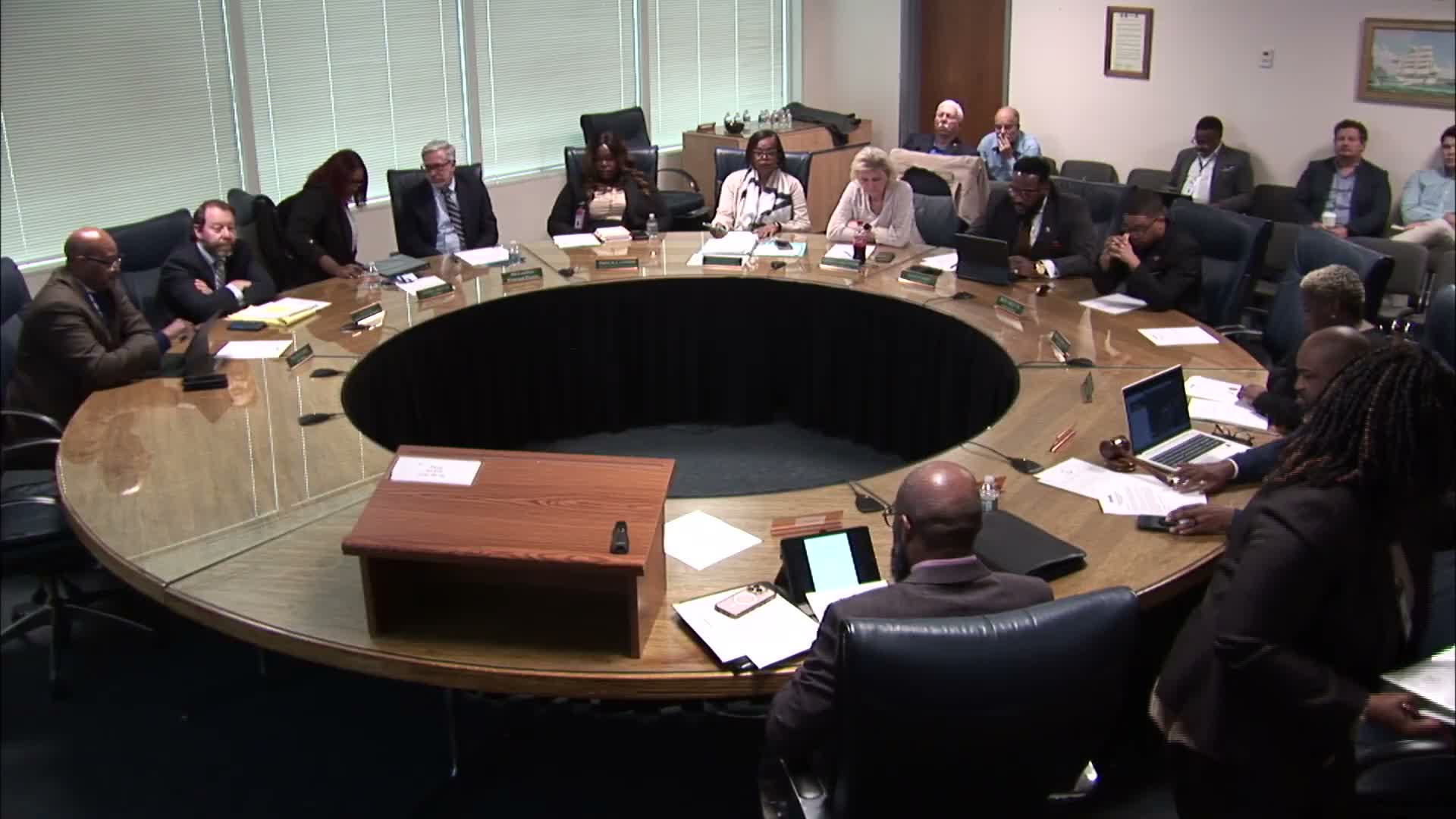
Summary
Portsmouth’s planning commission approved ordinance Z‑25‑02 to rename the Innovation District as the Link District and to codify permitted and prohibited uses (notably restricting certain commercial uses such as drive‑throughs, gas stations and discouraging neon lighting); phase 2 will develop prescriptive design standards with stakeholders.
The Portsmouth Planning Commission voted 5–2 on Jan. 6 to recommend approval of Z‑25‑02, an ordinance amendment that renames the Innovation District to the Link District, narrows permitted uses and identifies prohibited uses in the overlay zoning (chapter 40.2). The staff presentation described a two‑phase approach: phase 1 to codify permitted/prohibited uses and phase 2 to develop detailed, prescriptive design standards with community stakeholders.
Dr. Rhonda Russell told commissioners the change is intended to better align zoning with the Innovation District Master Plan’s vision for street‑level activation, mixed uses, cultural and entrepreneurial activity, and to prevent development that conflicts with that vision. The proposed ordinance specifically lists prohibited uses including drive‑throughs, convenience stores with fuel sales, single‑family detached dwellings, park‑and‑ride lots, construction material sales, crematories/funeral homes, vehicle sales/service, recycling centers, and domestic animal breeding; neon lighting is discouraged. Permitted uses would explicitly include commissary kitchens and maker spaces, which are defined in the ordinance as incubator‑style uses for small entrepreneurs.
Staff said the ordinance was shaped in part by experiences with the Harvard Design School and comparative examples from Greenville, and that the city will pursue an inclusive stakeholder process when developing the phase‑2 design standards. Commissioners asked for visual examples from Greenville and options showing tradeoffs and cost impacts. Staff said the packet includes proposed ordinance language, that phase 2 will produce design standards via public engagement, and that the item will go to city council for consideration on Feb. 10.
Commissioner Jiggots moved to approve Z‑25‑02; Vice Chair Taylor seconded. The commission voted 5–2 to recommend the ordinance. With that endorsement, staff will begin phase‑2 outreach to refine design guidelines and bring final ordinance language back through the adoption process.