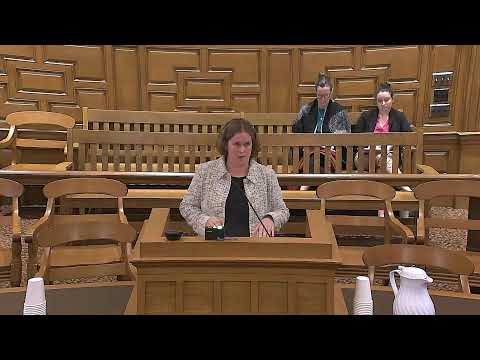
Appeals court weighs whether probate judge erred relying on counsel’s email in abuse‑prevention order
Loading...
Summary
In a partially impounded appeal over a 209A order extension, appellant counsel said the probate court relied heavily on an email from opposing counsel and on pre‑amendment conduct; appellee argued the record contained repeated incidents of conduct supporting imminence, and both sides debated retroactivity and statutory standards.
The panel heard argument in an impounded probate appeal over a 209A abuse‑prevention order extension.
Michael Fabian, representing the appellant (TT), said the probate judge relied heavily on an email sent by the husband’s Florida divorce counsel and that there was an insufficient record tying that email or its threatening language to the appellant. Fabian emphasized that much alleged conduct predated the statutory coercive‑control amendment effective September 2024 and argued the probate court never made the specific statutory finding required to support coercive‑control relief.
The appellee’s counsel, Robert Setterbo for the respondent (BT), responded that the probate court credited a 27‑page affidavit and live testimony describing multiple incidents (cornering in a laundry room, threats, use of a Ring camera, physical intimidation) and that the judge’s written findings included a specific finding that the wife was placed in imminent fear of serious bodily harm. Setterbo conceded the court exceeded the one‑year maximum when it ordered a two‑year extension and asked the appellate court to remand the remedy but affirm the underlying findings.
The panel asked several questions about which specific incidents the probate court relied upon, whether the email was an ethical violation or properly attributable to the husband as agent of counsel, and which statutory definitions applied. Counsel also debated whether the court could consider historical conduct that predated the coercive‑control amendment when assessing present fear of imminent serious physical harm.
The case was submitted after argument; the panel reserved judgment.