Appeals court weighs scope of discovery for consulting expert in Kenview (formerly J&J) litigation
Loading...
Summary
Kenview Brands (formerly Johnson & Johnson Consumer Inc.) told the appeals panel it seeks to overturn a trial court ruling that quashed subpoenas to a consulting expert (Dr. Bauer); the dispute centers on whether pre‑retention materials and certain third‑party communications are discoverable under Rule 26(b)(4)(B).
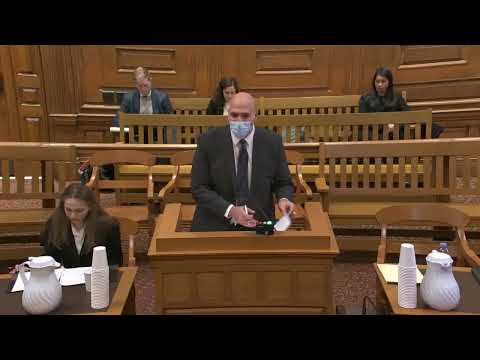
Robin McGuire, representing Kenview Brands, asked the panel to overturn a Superior Court order that quashed subpoenas seeking communications and materials from Dr. Bauer, a scientist the plaintiffs described as a consulting expert tied to a consensus statement about prenatal acetaminophen exposure. McGuire argued that (1) pre‑retention materials and third‑party communications about who declined to sign the consensus statement are not privileged, and (2) the subpoena as presented was not an overbreadth trap but sought factual underpinnings of a public consensus the plaintiffs relied on.
The panel questioned whether the Massachusetts court should resolve discovery boundaries when related proceedings in California were ongoing. McGuire said the issue remains live in multiple jurisdictions and that Dr. Bauer’s role (and public commentary) put her within the scope of permissible inquiry; he urged the court to give guidance under Massachusetts rule 26(b)(4)(B).
Plaintiffs’ counsel Roseanne Romano and other advocates for Dr. Bauer replied that the Superior Court’s ruling properly protected post‑retention communications and that the subpoena as drafted contained no temporal limits, effectively seeking privileged planning and post‑retention communications. Romano said the subpoena before the Superior Court was an “end run” around rule protections and that pre‑retention factual material is discoverable but the drafting here was improper.
The panel asked detailed questions about what relief it could order (guidance on the rule vs. remand) and whether the subpoena’s lack of temporal limits rendered it fatally overbroad. Counsel agreed the question is important to product‑liability discovery practice; the case was submitted.